On this page 7 sections
Quick answer
Glutathione or tranexamic acid: which is better? For melasma, tranexamic acid has the stronger evidence. Dermatologists often use it in creams and serums, and for some patients, in prescription tablets. Glutathione is a gentler antioxidant that may help with general dullness and uneven tone. You can use the topical forms of both together, but tranexamic acid tablets need a doctor.
Tranexamic acid, usually shortened to TXA, has become one of the most talked-about ingredients for melasma. Here’s how it compares with glutathione, and when each makes sense.
How each one works
Tranexamic acid started out as a medicine to reduce bleeding. On the skin, it seems to block the signals that tell pigment cells to make more melanin, particularly the ones set off by UV and inflammation. It may also calm the tiny blood vessels that are part of the melasma picture.
Glutathione is an antioxidant. It may slow tyrosinase (the enzyme that makes melanin) and shift pigment towards a lighter type, while also protecting your skin from oxidative stress. Read more in what is glutathione?
Side-by-side comparison
| Glutathione | Tranexamic acid | |
|---|---|---|
| Best known for | Dullness, uneven tone, antioxidant care | Melasma and stubborn pigmentation |
| Evidence for melasma | Limited; useful as a supporting extra | Stronger; many studies, and widely used by dermatologists |
| Topical forms | Creams, serums | Serums and creams, often 2 to 5% |
| Oral forms | Supplements; check with a doctor | Prescription only, and not for everyone |
| Irritation risk (topical) | Low | Low |
Please read this before taking TXA tablets
Tranexamic acid tablets affect how your blood clots. They aren’t suitable if you’ve had blood clots before, if you have certain heart conditions, or if you take some hormonal medicines. They should only be taken on a dermatologist’s prescription, with regular monitoring. Never take TXA tablets for your skin without a doctor. Topical TXA, in a cream or serum, doesn’t carry the same concerns.
Can you use them together?
Yes, on the skin. A TXA serum (in the morning under sunscreen, or at night) and a glutathione night cream work in different ways, and they’re often used together. Bring in one product at a time, and patch test each one first.
Which should you choose?
- Melasma: see a dermatologist. TXA is often part of the plan, and glutathione can be an optional extra. See glutathione for melasma.
- General dullness or tan: a glutathione cream with sunscreen every day is a good place to start.
- Acne marks: both may help with brown marks. Our guide to glutathione for acne marks explains more.
Common questions
Can I buy tranexamic acid tablets without a prescription?
Please don’t. Even if a chemist will sell them to you, they affect blood clotting, so you need a doctor watching over you.
Which works faster?
Both take weeks. Judge results at 8 to 12 weeks, with strict sun protection throughout.
Our verdict
For melasma, tranexamic acid is the stronger choice, and it belongs in a plan made with a dermatologist. For everyday dullness or tan, a glutathione cream plus daily sunscreen is the simpler, gentler start. Using both on the skin is fine. Taking TXA tablets on your own is not.
From the makers of this guide
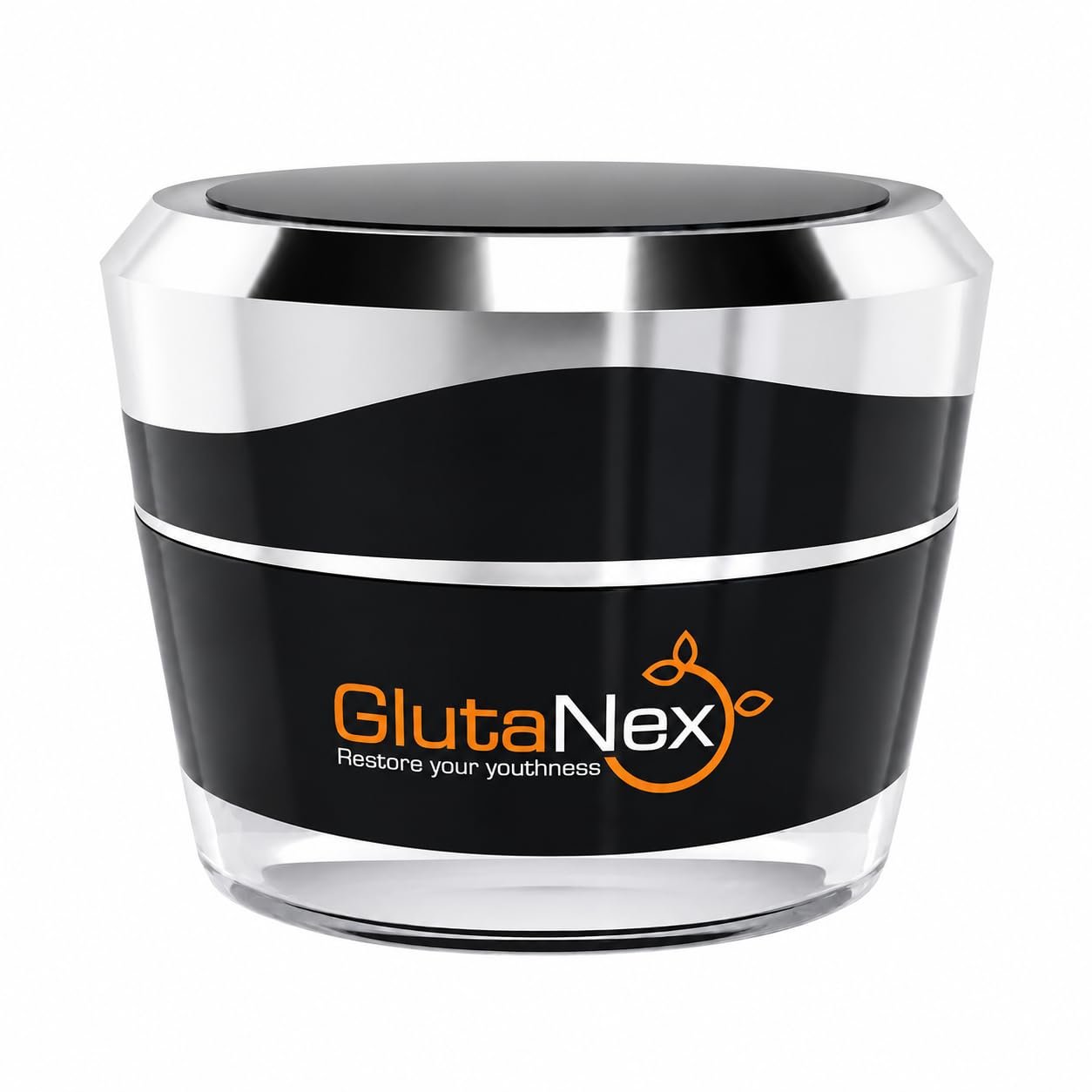
Glutanex Glutathione Night Cream
Already using a TXA serum? A glutathione night cream can complement it: glutathione with vitamin C, kojic acid and arbutin. 30 g.
Follow @glutanexofficial on Instagram
Disclosure: Glutanex is our own brand. Individual results vary.
This article is for general information only and is not medical advice. Consult a dermatologist before using tranexamic acid, especially tablets.
This article is for general information, not medical advice. Talk to a doctor or dermatologist before starting any supplement or treatment. Disclaimer · Disclosure