On this page 6 sections
Quick answer
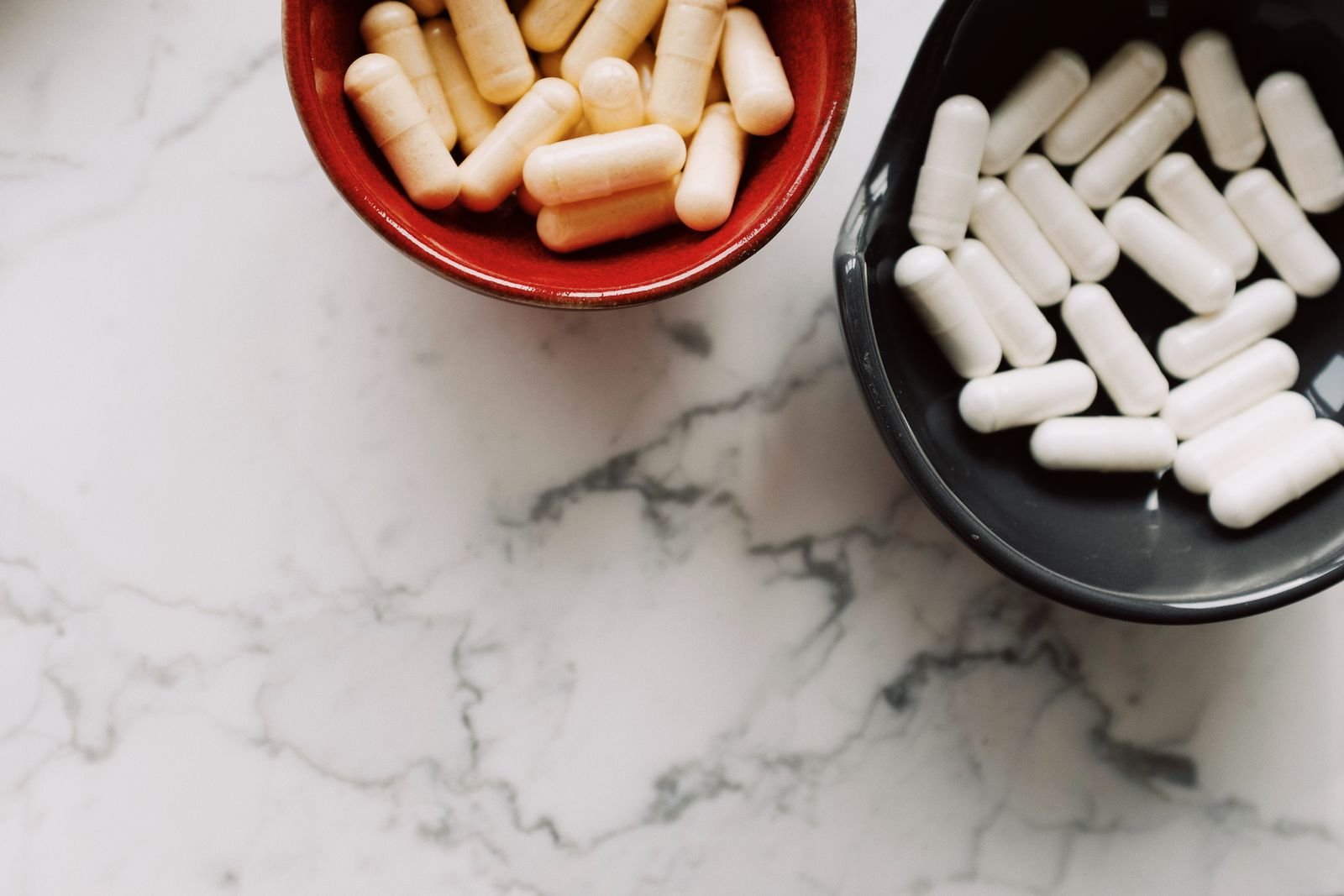
How much glutathione should I take per day? No official daily amount exists, because your body makes glutathione itself. Studies of oral glutathione have mostly used 250 to 1,000 mg a day, and the skin studies used 250 to 500 mg a day for 8 to 12 weeks or longer. Go by the product label, and check with a doctor before you start. If you use a cream, a pea-sized amount at night is enough.
“How many mg of glutathione should I take?” is one of the questions people search for most. There’s no official dose. What research can tell us is which amounts have been tested, and that’s still useful to know.
Why there’s no official dose
Glutathione isn’t a vitamin or mineral you have to get from food. Your body builds it from three amino acids. That’s why it has no recommended daily allowance (RDA), the way vitamin C or iron does. Every number on this page comes from amounts that researchers have tried in studies.

Amounts used in research
| Form | Amount studied | Study length |
|---|---|---|
| Oral tablets or capsules (general) | 250 to 1,000 mg a day | Up to 6 months; the higher amount raised body levels more |
| Oral, for skin | 250 to 500 mg a day | About 8 to 12 weeks |
| Topical lotion or cream | About 2% glutathione, in one lotion study | About 10 weeks, applied every day |
| Injections / IV drips | Not recommended for skin lightening | Not applicable |
Please read these as amounts used in studies. They are not a prescription. Products differ, so always check the label on yours. Some newer forms, such as liposomal and effervescent tablets, are made to be absorbed better, which means their doses may not match.
How much glutathione cream should I use?
For your face and neck, a pea-sized amount once a night is enough. Putting on more won’t make it work faster. It may clog your pores or irritate your skin. Our guide on how to apply a glutathione night cream walks you through it.
Why more isn’t better
- Nobody has shown that higher doses brighten skin any faster.
- Bigger amounts are more likely to cause bloating or loose stools.
- We don’t know much about the long-term safety of high doses, because it hasn’t been studied well.
Who should check with a doctor first
- Women who are pregnant or breastfeeding (read glutathione during pregnancy)
- Anyone with asthma
- Anyone on regular medicines, and especially anyone on chemotherapy
- People with kidney or liver problems, or any other long-term condition
- Anyone under 18
Common questions
Is 500 mg of glutathione a day safe?
In studies, people have usually tolerated amounts in this range well. Still, ask your doctor first, especially if you have a health condition or take any medicines.
When should I take it?
We cover this in the best time to take glutathione.
How long should I take it?
The skin studies lasted 8 to 12 weeks or more, so give it about 12 weeks before you decide whether it’s working. More on this in how long glutathione takes to work.
From the makers of this guide
Glutanex Glutathione Night Cream
Prefer a cream to tablets? A pea-sized amount each night: glutathione with vitamin C, kojic acid and arbutin. 30 g.
Follow @glutanexofficial on Instagram
Disclosure: Glutanex is our own brand. Individual results vary.
This article is for general information only and is not medical advice. Always follow the product label and consult a doctor before starting any supplement.
This article is for general information, not medical advice. Talk to a doctor or dermatologist before starting any supplement or treatment. Disclaimer · Disclosure