On this page 7 sections
Look at glutathione supplements on any Indian shopping site and you’ll notice that many of the premium ones say “liposomal” on the box. They usually cost more, too. So is liposomal actually better, or is it just a fancy word on the label? The short version: it’s a sensible idea with some early evidence behind it, but it isn’t proven to give better skin results.
Why absorption is the big worry
With any glutathione you swallow, the main question is absorption. Enzymes in your digestive system can break glutathione down before it ever reaches your blood. Because of this, researchers argued for years about whether regular oral glutathione did much at all.
Later studies were more encouraging. People who took regular glutathione every day for several months did end up with higher glutathione levels in their bodies. So swallowing it isn’t pointless. Absorption is still a fair concern, though.
What is liposomal glutathione?
A liposome is a very small bubble made of fats called phospholipids. Your own cell membranes are made of similar material. In liposomal glutathione, the glutathione sits inside these bubbles.
The thinking is that this fatty outer layer shields the glutathione from your gut, so less of it gets broken down and more of it may be absorbed.
What does the research say?
- A few small studies suggest liposomal glutathione can raise the body’s glutathione levels, sometimes faster than regular forms.
- These studies are small, and supplement companies paid for many of them.
- We don’t have enough evidence to say it does more for your skin than regular glutathione.
- Products differ a lot. Two bottles that both say “liposomal” may not be made the same way at all.
Put simply, liposomal is a reasonable idea and there’s some support for it. It just hasn’t been shown to be dramatically better for skin.
Other forms you’ll come across
| Form | What it is | Notes |
|---|---|---|
| Regular (reduced) L-glutathione | Standard capsules or tablets | Cheapest; absorption is debated |
| Liposomal | Glutathione wrapped in fat bubbles | Made for better absorption; costs more |
| Sublingual / lozenge | Melts under the tongue | Tries to avoid breakdown in the gut; little research |
| Effervescent | A fizzy tablet you drop in water | Convenient; read our effervescent guide |
| S-acetyl glutathione | A chemically changed form | Sold as more stable; little research |
| NAC (N-acetyl cysteine) | A building block, not glutathione itself | Helps your body make its own glutathione |
Is liposomal worth the extra money?
It could be worth it if:
- your doctor has suggested a glutathione supplement
- you’ve already decided to try oral glutathione and want the form that has the better absorption claims
- the brand is open about what’s inside: the dose per serving, where the liposomes come from, its FSSAI licence and its testing
It’s probably not worth it if:
- you mostly want brighter skin. A topical cream with sunscreen is an easier, lower-risk place to begin.
- it costs far more than other options and doesn’t clearly tell you the dose or quality
Safety reminders
- Speak to a doctor before you start any supplement. This matters most if you are pregnant, breastfeeding, asthmatic or on medication.
- If you get an upset stomach, a rash or anything unusual, stop taking it.
- For more, read Glutathione Side Effects.
Before you pay extra
Liposomal glutathione was designed to get around the absorption problem, and the early research is somewhat supportive. Still, it isn’t a guaranteed upgrade, and for skin in particular the case is weak. Let the product’s quality and your doctor’s advice guide you, not the word on the label.
You might also want to read about glutathione dosage and the best time to take glutathione.
From the makers of this guide
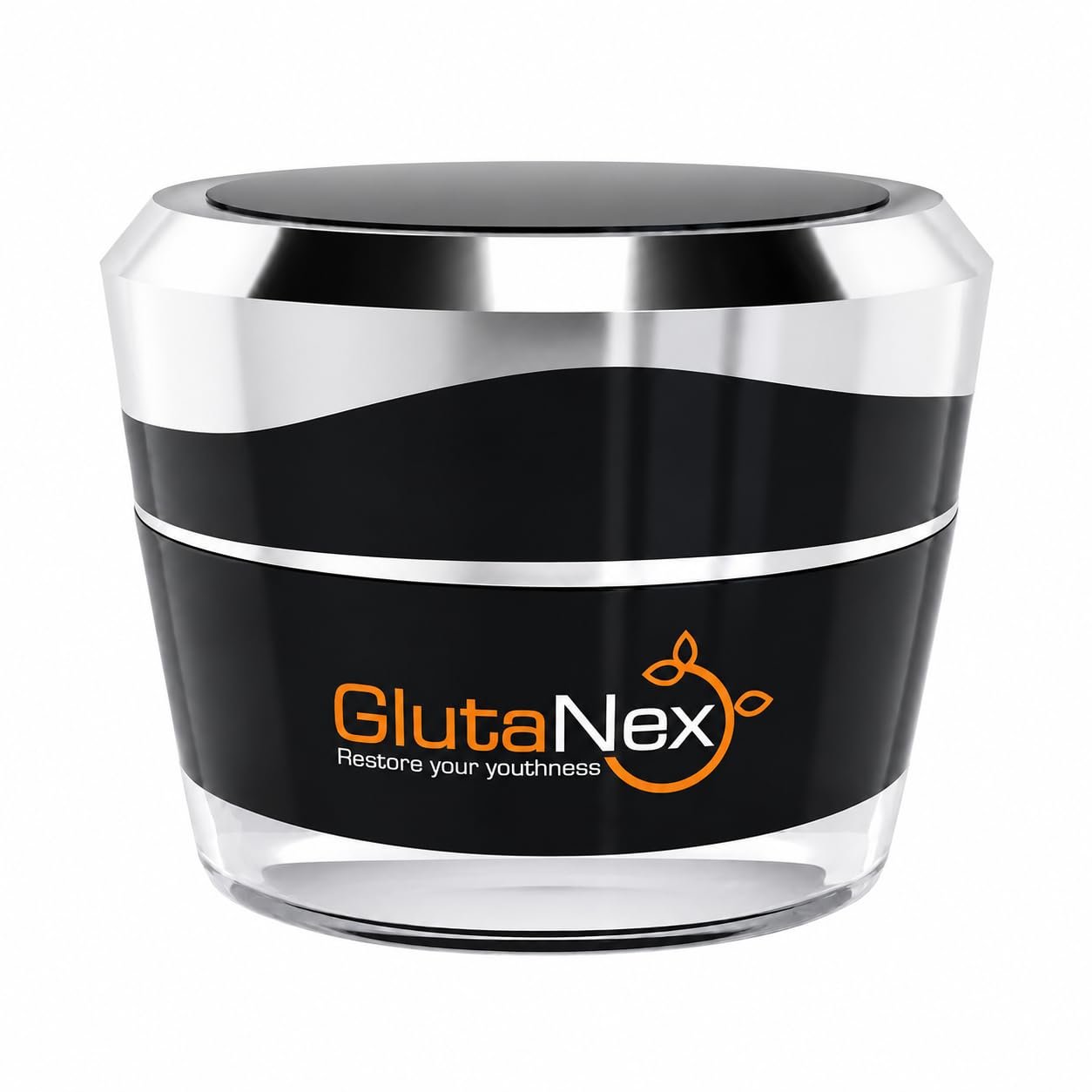
Glutanex Glutathione Night Cream
For skin, many people start with a leave-on product. Glutanex Glutathione Night Cream adds glutathione and vitamin C directly to your skin.
Follow @glutanexofficial on Instagram
Disclosure: Glutanex is our own brand. Individual results vary.
This article is for general information only and is not medical advice. Consult a doctor or dermatologist before starting any supplement or treatment.
This article is for general information, not medical advice. Talk to a doctor or dermatologist before starting any supplement or treatment. Disclaimer · Disclosure