Tablets and supplements
Glutathione tablets are what most people in India search for. Here’s what the different kinds are, the amounts studies used, when to take them, and what to expect.
4 guides
Glutathione tablets: what they are, whether they work and how to take them
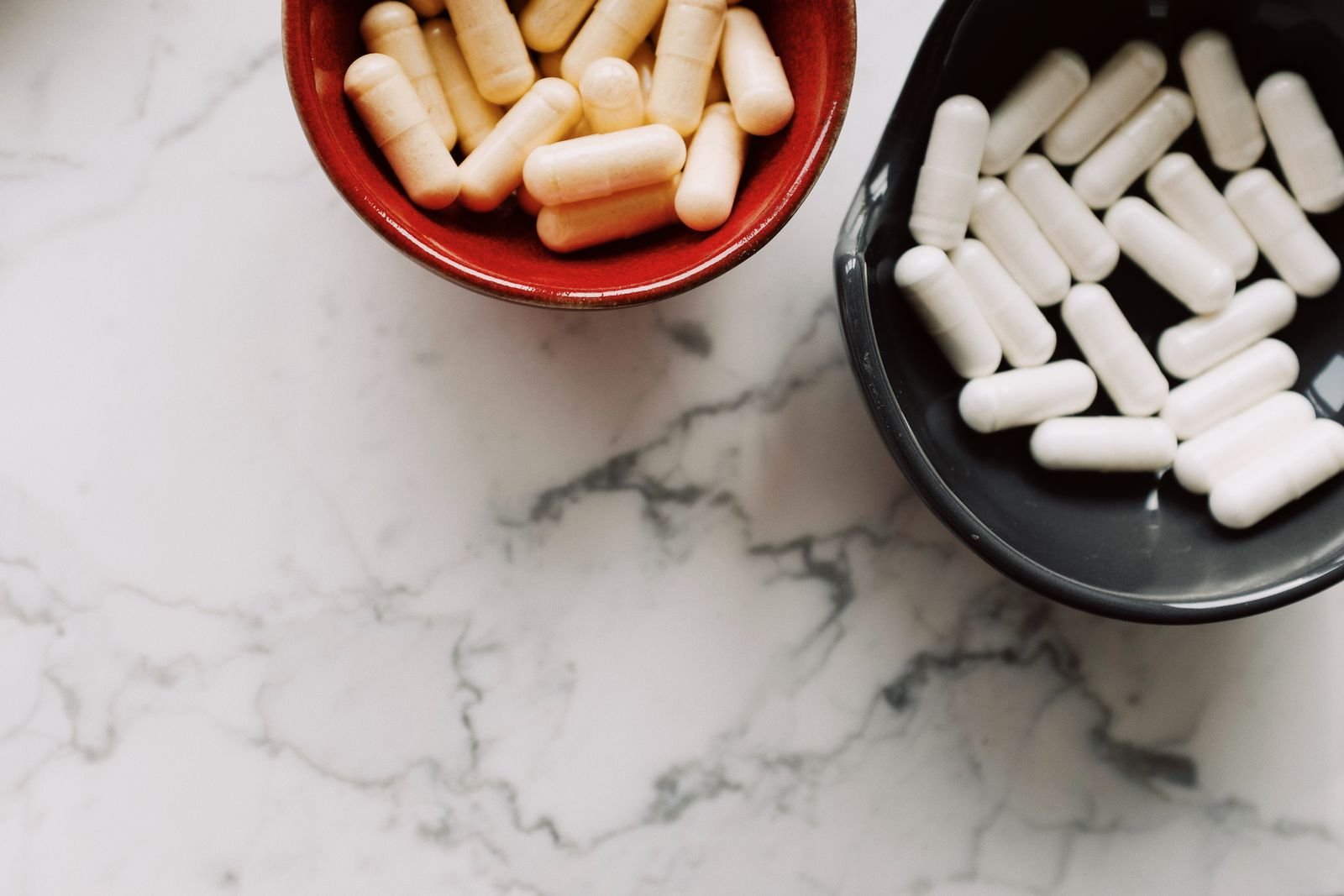
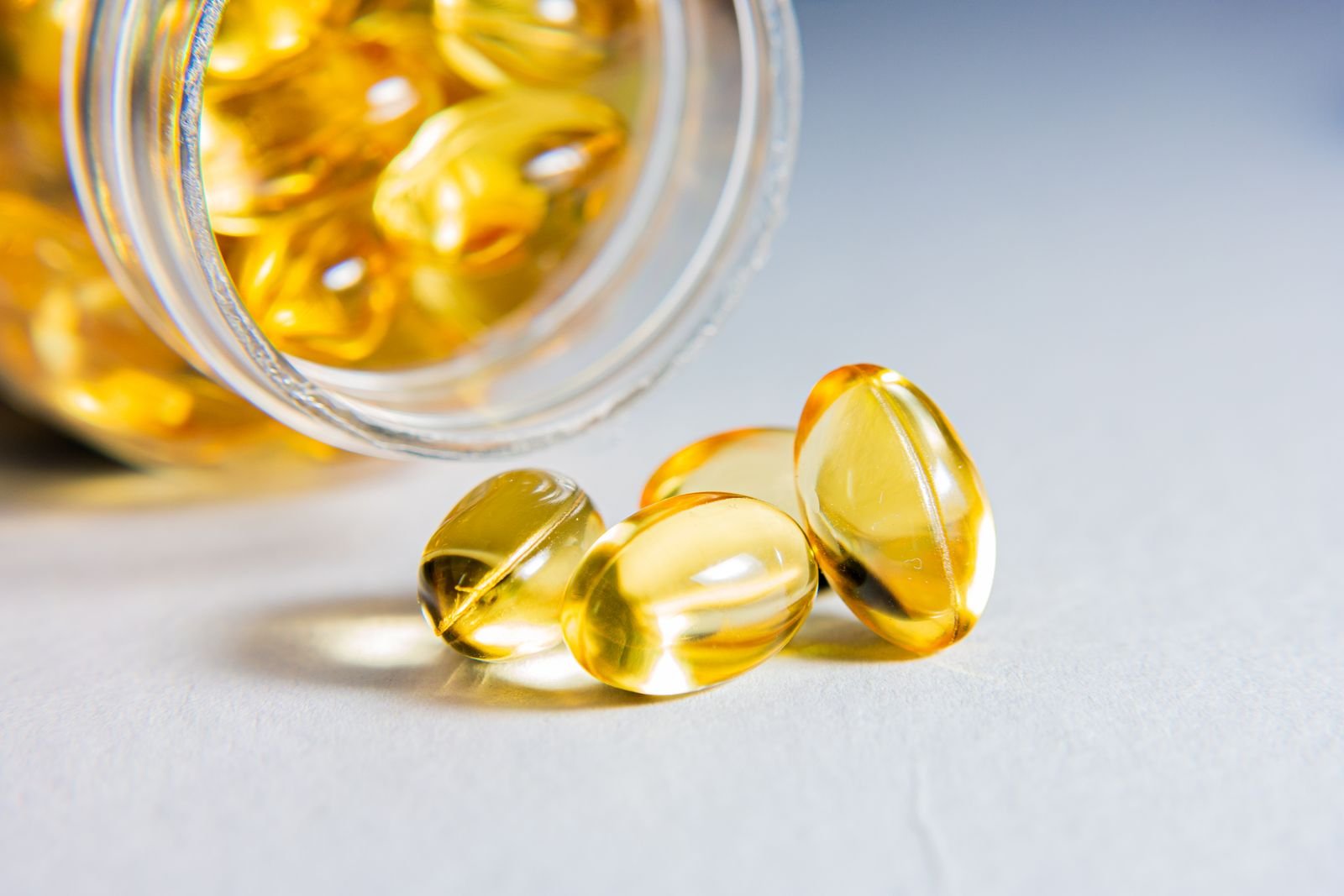
A glutathione tablet is simply glutathione you swallow. Your body already makes its own from three amino acids, so a tablet adds to what you have. Most products in India contain L-glutathione, usually paired with vitamin C because the two work together as antioxidants. On the shelf you'll mostly see plain capsules and tablets, fizzy effervescent tablets you drop in water, and liposomal versions. Sublingual and S-acetyl forms exist too, with little research behind them.
Do they work? The big question with any oral glutathione is absorption. Enzymes in your gut can break it down before it reaches your blood, and researchers argued for years about whether swallowing it did much at all. Later studies were more encouraging: people who took it daily for several months ended up with higher glutathione levels. For skin, a few small studies saw a modest lift in tone and dark spots after 8 to 12 weeks. The change was slight, it varied a lot from person to person, and it doesn't always last once you stop. Anyone promising visible results in a few days is selling you a story.
The type you pick changes the experience more than the result. Effervescent tablets are easier to take and many people enjoy the drink, but nobody has shown they absorb better than a good capsule, and the fizzing agents add sodium. Liposomal glutathione wraps the molecule in tiny fat bubbles to protect it from your gut. Small studies (many paid for by supplement companies) suggest it can raise body levels, sometimes faster, but it hasn't been shown to do more for skin. Plain capsules are usually the cheapest per dose. Liposomal ones often cost more, so pay for a clear label, not a fancy word on the box.
How much and when. There's no official daily dose, because glutathione isn't a vitamin you need from food. Studies of oral glutathione mostly used 250 to 1,000 mg a day, and the skin studies used 250 to 500 mg a day. Treat these as amounts researchers tested, not a prescription, and follow your product's label. Taking more won't brighten you faster; it just makes bloating and loose stools more likely. For timing, many people take it on an empty stomach, about 30 minutes before a meal or 2 hours after one. Morning or night are both fine. What matters is taking it at the same time every day for long enough to judge it.
Are they safe? In studies, people generally coped well with oral glutathione. The usual complaints are stomach ones, like gas, cramps or loose stools, and allergic reactions are rare. Please talk to a doctor before you start if you're pregnant or breastfeeding, have asthma, take regular medicines (especially chemotherapy), have kidney or liver problems, or are under 18. If you have high blood pressure or are on a low-salt diet, check the sodium in effervescent tablets. Buy brands that show the glutathione per tablet, an FSSAI licence, a batch number and an expiry date.
Our view? If your goal is brighter skin, a glutathione cream with daily sunscreen is the easier, lower-risk place to begin, and tablets are something to add only after a word with your doctor. And please don't jump from tablets to injections. CDSCO has made it clear that injectable products are not cosmetics.
Types of tablets
 Types of tabletsGlutathione Effervescent Tablets: Why Everyone Is Talking About ThemFizzy glutathione tablets are trending in India. Here’s how they work, how they compare to capsules and creams…Read →
 Types of tabletsLiposomal Glutathione vs Regular Glutathione: What’s the Difference?Liposomal glutathione claims better absorption than regular tablets. Here’s what liposomes are, what the resea…Read →
Dose and timing
Dose and timingGlutathione Dosage: How Much Per Day? What Studies UsedHow much glutathione per day? The amounts used in research for tablets and creams, what that means for you, an…Read →
Dose and timingBest Time to Take Glutathione: Morning, Night or Empty Stomach?When is the best time to take glutathione tablets, and when should you apply glutathione cream? What the evide…Read →
Common questions
Do glutathione tablets really work for skin?
A little, for some people. Small studies saw slightly brighter, more even skin after 8 to 12 weeks, with big differences between people. Read our Hindi guide to glutathione tablets for what the studies found.
Is 500 mg of glutathione a day safe?
People in studies usually tolerated amounts in this range well. Still ask your doctor first, especially if you have a health condition or take medicines. See glutathione dosage.
Should I take glutathione in the morning or at night?
Either is fine. If you take it at night, leave at least 2 hours after dinner. Keeping to one time daily matters more. More in the best time to take glutathione.
Are effervescent or liposomal tablets better than capsules?
Not proven. Effervescent mostly changes how you take it, and liposomal has some early support for absorption but not for better skin results. Compare them in our liposomal guide.
Who should not take glutathione tablets without a doctor?
Anyone pregnant or breastfeeding, people with asthma, anyone on regular medicines, people with kidney or liver problems, and anyone under 18. See glutathione side effects.