Skin concerns
Pick the concern that brought you here and see what glutathione can do for it, what it can’t, and what usually works better.
9 guides
Glutathione for skin concerns: spots, tan, dullness and more
Let's start with what we're aiming for. Every skin tone is healthy, and good skincare isn't about turning your skin a different colour. What a glutathione product can reasonably help with is skin that looks even and healthy: dark spots that fade, a tan that settles, dullness that lifts. People often search for "whitening" or "fair skin", but that is not something we'd promise, and nor should anyone else.
Glutathione is an antioxidant. It helps fight the oxidative stress that sun and pollution cause, and it may slow tyrosinase, the enzyme your skin uses to make melanin. The research is small, though. A 2018 review found only short studies with modest results, so expect slow change over 8 to 12 weeks, and only with sunscreen every day. Our guide to glutathione for skin explains how it works and why a cream is the safest place to start.
How much it can do depends a lot on the concern. It is best suited to dull, tired-looking skin, a fading tan and milder dark marks. It may help brown acne marks, but it does nothing for red marks or pitted scars. For melasma, the evidence is weak, and sunscreen plus a dermatologist's plan come first. For ageing skin, sunscreen and retinoids have far better evidence, and glutathione is a supporting extra at most.
Two areas need extra care. With dark circles, glutathione can only help the brown, pigmented kind, and the skin under your eyes is thin, so only use products labelled as safe for the eye area. With dark underarms, friction and shaving are common causes, but skin that feels thick or velvety can be a sign of insulin resistance. Please see a doctor about that before buying any cream.
Whatever brought you here, a few habits do more than any single product. Wear SPF 30+ every morning, stop picking and scrubbing (irritation tends to cause more pigmentation in Indian skin), and patch test anything new for 24 to 48 hours. If a spot is growing or changing colour, or nothing has improved after 3 months, book a dermatologist. Our pigmentation guide covers when that matters most.
Dark spots and pigmentation
 Dark spots and pigmentationGlutathione for Pigmentation and Dark SpotsCan glutathione fade dark spots, acne marks and pigmentation? Learn the types of pigmentation, what glutathion…Read →
Dark spots and pigmentationGlutathione for Melasma: What the Evidence Really SaysCan glutathione treat melasma? Here’s what research shows, why melasma is harder to treat than normal dark spo…Read →
Dark spots and pigmentationGlutathione for Acne Marks: Can It Fade Dark Spots After Pimples?Does glutathione help acne marks? Learn which marks it can help (and which it can’t), the ingredients that wor…Read →
Dark spots and pigmentationGlutathione for Pigmentation and Dark SpotsCan glutathione fade dark spots, acne marks and pigmentation? Learn the types of pigmentation, what glutathion…Read →
Dark spots and pigmentationGlutathione for Melasma: What the Evidence Really SaysCan glutathione treat melasma? Here’s what research shows, why melasma is harder to treat than normal dark spo…Read →
Dark spots and pigmentationGlutathione for Acne Marks: Can It Fade Dark Spots After Pimples?Does glutathione help acne marks? Learn which marks it can help (and which it can’t), the ingredients that wor…Read →
 Dark spots and pigmentationGlutathione for Tan Removal: Does It Really Work?Can glutathione remove a sun tan? An honest look at how tanning works, how glutathione may help it fade, a rea…Read →
Darker areas
 Darker areasGlutathione for Dark Circles: Does It Help?Can glutathione reduce dark circles? It depends on the cause. Learn the 4 types of dark circles, where glutath…Read →
 Darker areasGlutathione for Dark Underarms: Does It Help?Can glutathione lighten dark underarms? Learn the real causes of underarm darkness, how glutathione may help, …Read →
Overall skin
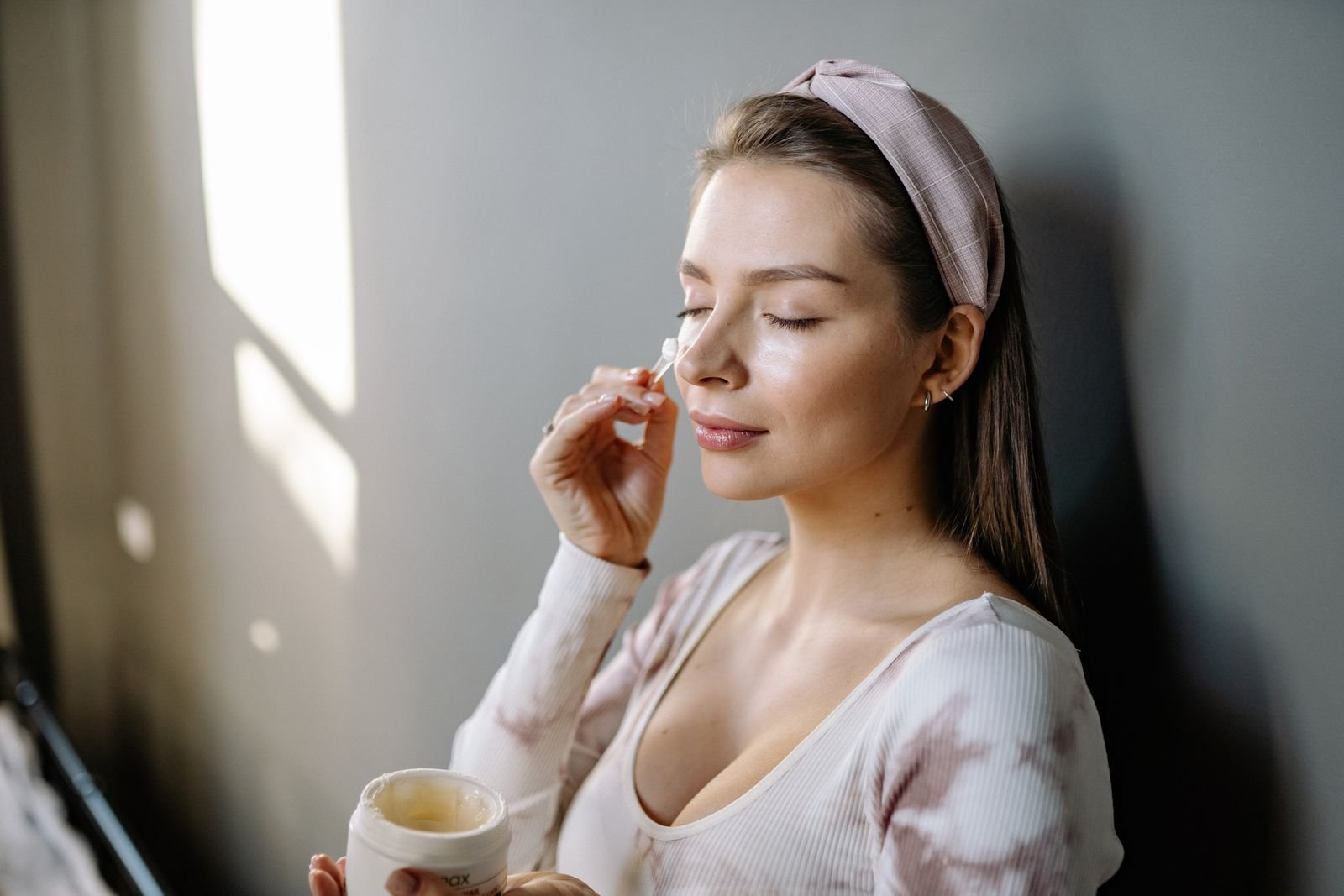 Overall skinGlutathione for Skin: Does It Really Brighten Skin?Can glutathione brighten your skin and fade dark spots? Here’s how it works, what results to realistically exp…Read →
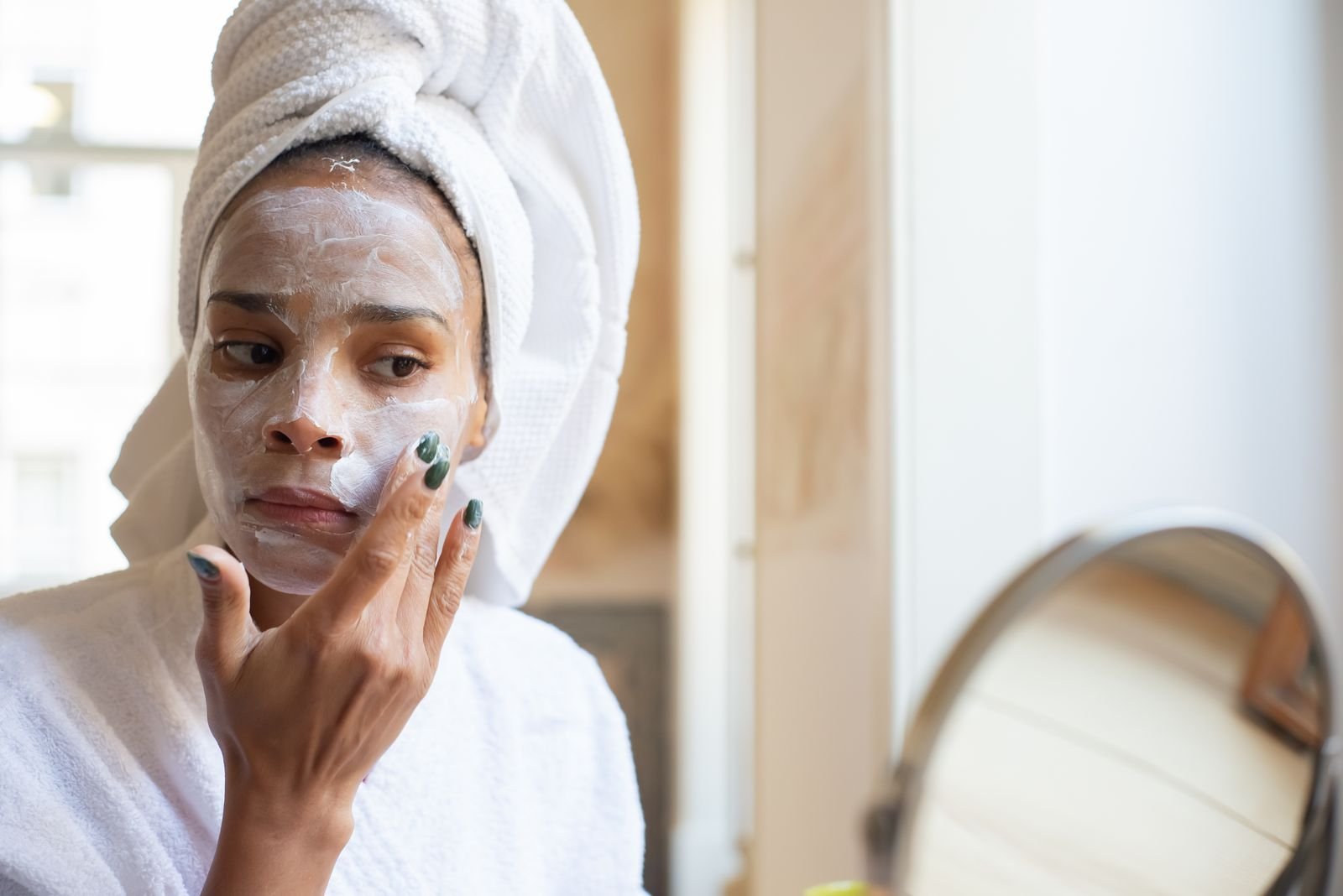 Overall skinGlutathione for Dull Skin: Get Your Glow Back the Realistic WayWhy skin looks dull, how glutathione may help, and a simple routine to bring back a healthy glow, with realist…Read →
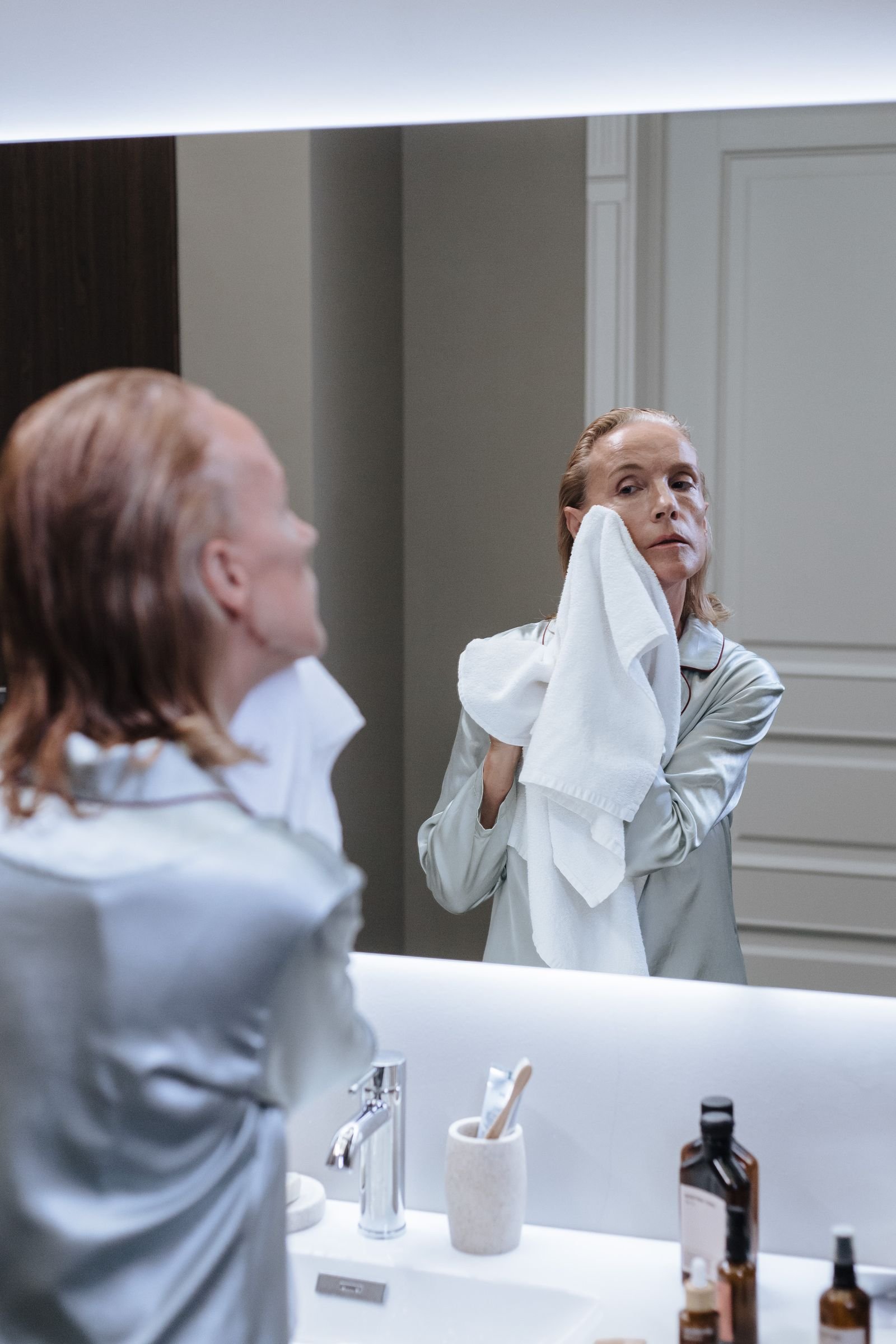 Overall skinGlutathione for Anti-Ageing: Can It Help Wrinkles and Firmness?Does glutathione help with wrinkles and ageing skin? What the early research says, how it compares with proven…Read →
Common questions
Will glutathione make my skin lighter?
That isn't what we'd aim for. At best it helps dull skin look fresher and spots look less noticeable. Any change is modest, and it fades once you stop. What glutathione can and can't do.
How do I know which kind of acne mark I have?
Press a clear glass gently against the mark. Red marks usually fade under the pressure, and brown marks stay the same colour. Glutathione may help only the brown ones. Acne marks explained.
Can glutathione help my dark circles?
Only if they are brown and pigmented. It can't change hollows, puffiness or visible blood vessels. Sleep, sunscreen and not rubbing your eyes will usually do more. Dark circles guide.
Is glutathione good for ageing skin?
Possibly a little, as antioxidant support. Daily sunscreen and retinoids have much stronger evidence. Ask a dermatologist before starting retinoids, and use them on different nights from a brightening cream. Glutathione for anti-ageing.
When should I see a dermatologist?
If a spot is growing, changing colour or has an irregular shape, if patches sit on your cheeks, forehead or upper lip, or if nothing has improved after 3 months of steady care. When to get help.