
On this page 6 sections
Quick answer
Does glutathione have side effects? Creams are usually well tolerated, and the usual problems are mild redness, itching or dryness, so patch test before you start. Tablets sometimes cause bloating or loose stools. Injections carry serious risks and we don’t recommend them for cosmetic use, and if you’re pregnant, breastfeeding or have asthma, ask a doctor first.
Your body makes glutathione on its own, so it’s easy to assume every glutathione product must be safe. For most people using a cream or a standard supplement, it does sit well. Still, the form you choose makes a big difference, and some people need to be more careful than others.
Side effects of glutathione creams and lotions
Putting glutathione on your skin is the lowest-risk way to use it. When a reaction does happen, it’s usually mild, and quite often the fragrance or another ingredient in the cream is the real cause. Look out for:
- Redness or mild irritation
- Itching, or a stinging feeling
- A rash or small bumps, which point to an allergic reaction
- Dry skin
A few simple habits keep you safe.
- Patch test first. Put a little behind your ear or on your inner arm and wait 24 to 48 hours.
- Stop using it if you get redness, swelling or itching that doesn’t settle down.
- Don’t apply it on broken skin, cuts or open wounds.
- Keep it away from your eyes.
Side effects of glutathione tablets and capsules
In studies, people taking glutathione by mouth have generally coped well with it. Side effects aren’t common, but these have been reported:
- Bloating, gas or stomach cramps
- Loose stools
- Allergic reactions, though these are rare
There’s also a note for asthma. Some people with asthma have had breathing problems after inhaled glutathione. That’s a different form from tablets, but it’s one reason we’d ask anyone with asthma to check with a doctor before taking glutathione.
Glutathione injections and IV drips ⚠️
This is where the real danger lies. Some salons and clinics offer glutathione injections for skin lightening, and health regulators in several countries have warned against using them for cosmetic reasons. The risks that have been reported include:
- Serious allergic reactions
- Skin rashes, some of them severe
- Kidney, liver or nervous system problems, in some reports
- Infections from unsafe injection practices
- Fake or contaminated products from unlicensed sellers
Our advice is simple. Don’t use glutathione injections to lighten your skin. If a doctor recommends glutathione for a medical reason, follow their guidance. We’ve covered this in more detail in glutathione injection price, safety and CDSCO rules in India.
Who should avoid glutathione or talk to a doctor first?
- Pregnant or breastfeeding women. There isn’t enough safety research yet. Avoid supplements, and check with your doctor even before using a cream.
- People with asthma.
- Anyone with a known allergy to glutathione or to any ingredient in the product.
- People on regular medicines, especially chemotherapy or other long-term prescriptions.
- Children and teenagers. Skin-brightening products aren’t recommended for young people.
- Anyone with a kidney or liver problem, or another long-term (chronic) condition.
Red flags when buying glutathione products
Think twice about a product if it:
- Promises guaranteed or very quick results, like “fair in 7 days”
- Doesn’t list its full ingredients or the manufacturer or importer
- Has no batch number or expiry date
- Costs far less than the genuine product, which often means it’s fake
- Claims to “cure” anything
Our take, form by form
- Creams: safe for most people. Do a patch test and use them as directed.
- Tablets: usually well tolerated, but talk to a doctor before you start.
- Injections: avoid them for cosmetic use.
And whatever you use, if you notice anything unusual afterwards, stop the product and see a doctor.
Related guides: glutathione during pregnancy · glutathione dosage · myths vs facts · ಕನ್ನಡದಲ್ಲಿ ಓದಿ
From the makers of this guide
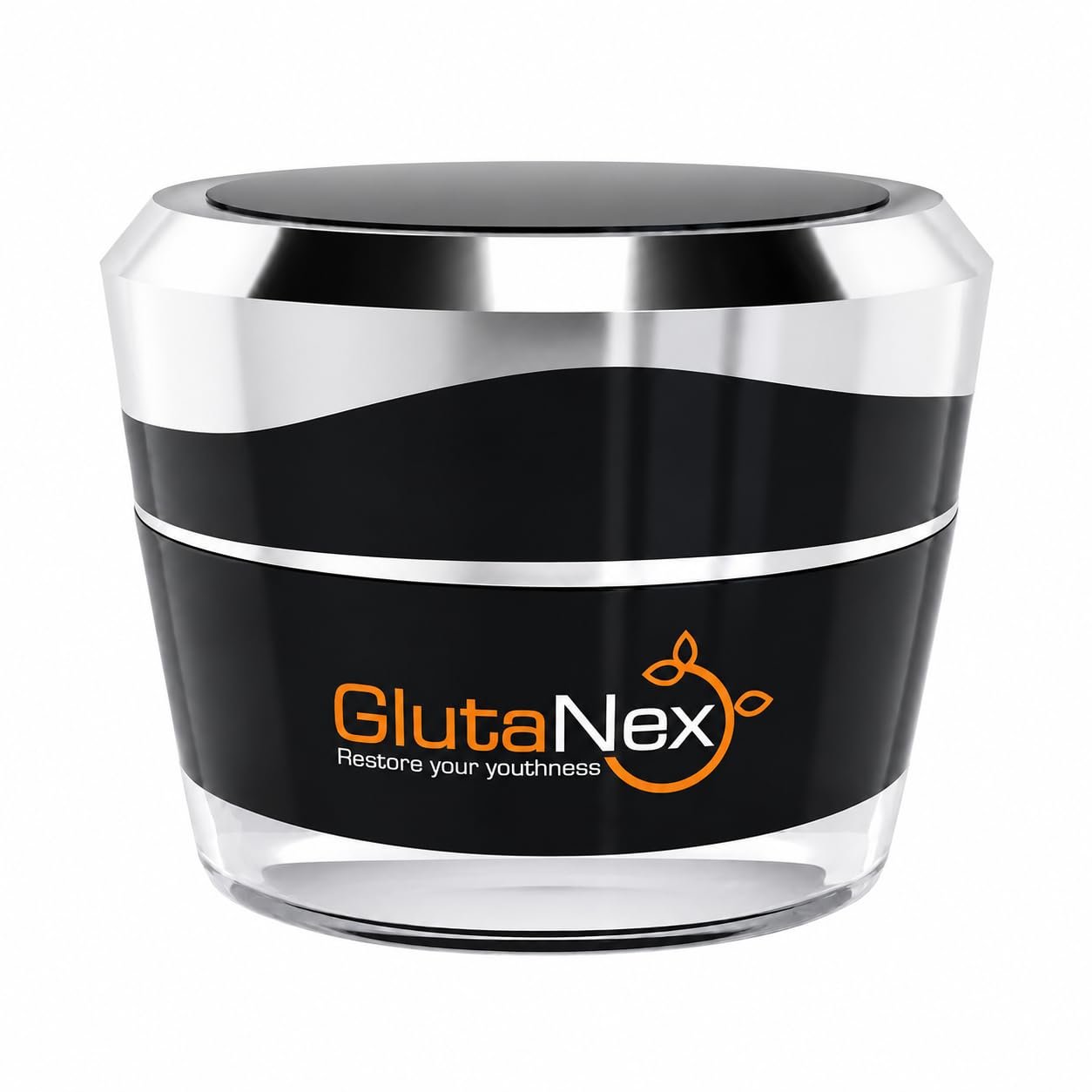
Glutanex Glutathione Night Cream
A topical night cream with glutathione, vitamin C, kojic acid and arbutin. Topical use is the lowest-risk way to try glutathione. Always patch test first.
Follow @glutanexofficial on Instagram
Disclosure: Glutanex is our own brand. Individual results vary.
This article is for general information only and is not medical advice. Please talk to a doctor or dermatologist before starting any supplement or treatment.
This article is for general information, not medical advice. Talk to a doctor or dermatologist before starting any supplement or treatment. Disclaimer · Disclosure