On this page 6 sections
Quick answer
Does glutathione help melasma? A little, at most, and it isn't a main treatment. Small studies show modest improvement in pigmentation, but melasma is driven by hormones and sunlight, and it often comes back. Dermatologists usually begin with strict sun protection and prescription creams. Glutathione can be a supportive extra. It won't cure melasma.
Lots of people in India search for glutathione because of melasma. It's also one of the hardest kinds of pigmentation to treat, so it deserves a straight answer.
What is melasma?
Melasma looks like brown or greyish-brown patches, usually on the cheeks, forehead, nose, upper lip and chin. The patches often match on both sides of the face.
These are the usual triggers.
- Sun is the biggest one, and that includes heat and visible light, not only UV.
- Hormones play a big part too, for example during pregnancy or from birth control pills and hormone therapy.
- It often runs in families.
- Irritating skincare or harsh treatments can set it off.
Women get it more often, and so do people with medium to darker skin tones. That's a big reason it's so common in India.
Can glutathione help melasma?
The evidence is weak, and we'd rather tell you that up front.
In 2018, a review in Dermatology Practical & Conceptual went through the studies on glutathione for skin lightening. It found “little convincing evidence” that glutathione works as a treatment for hyperpigmentation. The studies were small and short, and none followed people up over the long term.
- With tablets (oral glutathione), small studies saw modest lightening in some people.
- With creams, one small split-face study found a temporary drop in skin melanin.
- With IV drips, results were poor and the safety concerns are serious.
So it might support your overall routine. It hasn't been shown to treat melasma.
Why melasma isn't like ordinary dark spots
In many people it sits deeper in the skin. It also comes back easily whenever the sun or your hormones set it off again.
Harsh treatments can make it worse, which catches a lot of people out. Most people need to manage it over the long term, because a one-time fix rarely holds.
What dermatologists usually recommend
- Sunscreen every day, strictly. Use a broad-spectrum SPF 30+ and reapply it outdoors. Tinted sunscreens with iron oxides also help block visible light.
- Prescription creams. Your dermatologist may prescribe particular brightening combinations.
- Tranexamic acid, as a cream or a tablet, but only under a doctor's care.
- Gentle in-clinic procedures, chosen carefully for your skin type.
- Dealing with triggers where possible, such as hormonal medicines.
If you think you have melasma, please see a dermatologist. Some patches look similar but need a different treatment.
Where can a glutathione cream fit in?
Think of it as a gentle supporting step. It makes the most sense in a formula that also has well-known brightening ingredients like kojic acid, arbutin or vitamin C, used along with strict sun protection and your dermatologist's plan. Check with your doctor before you add anything to a prescribed routine. Our guide to glutathione for pigmentation and dark spots has more on this.
Our take
On its own, glutathione isn't a reliable melasma treatment. Sunscreen and a dermatologist's plan come first. A glutathione cream can sit alongside them as a gentle extra, as long as your expectations stay realistic.
From the makers of this guide
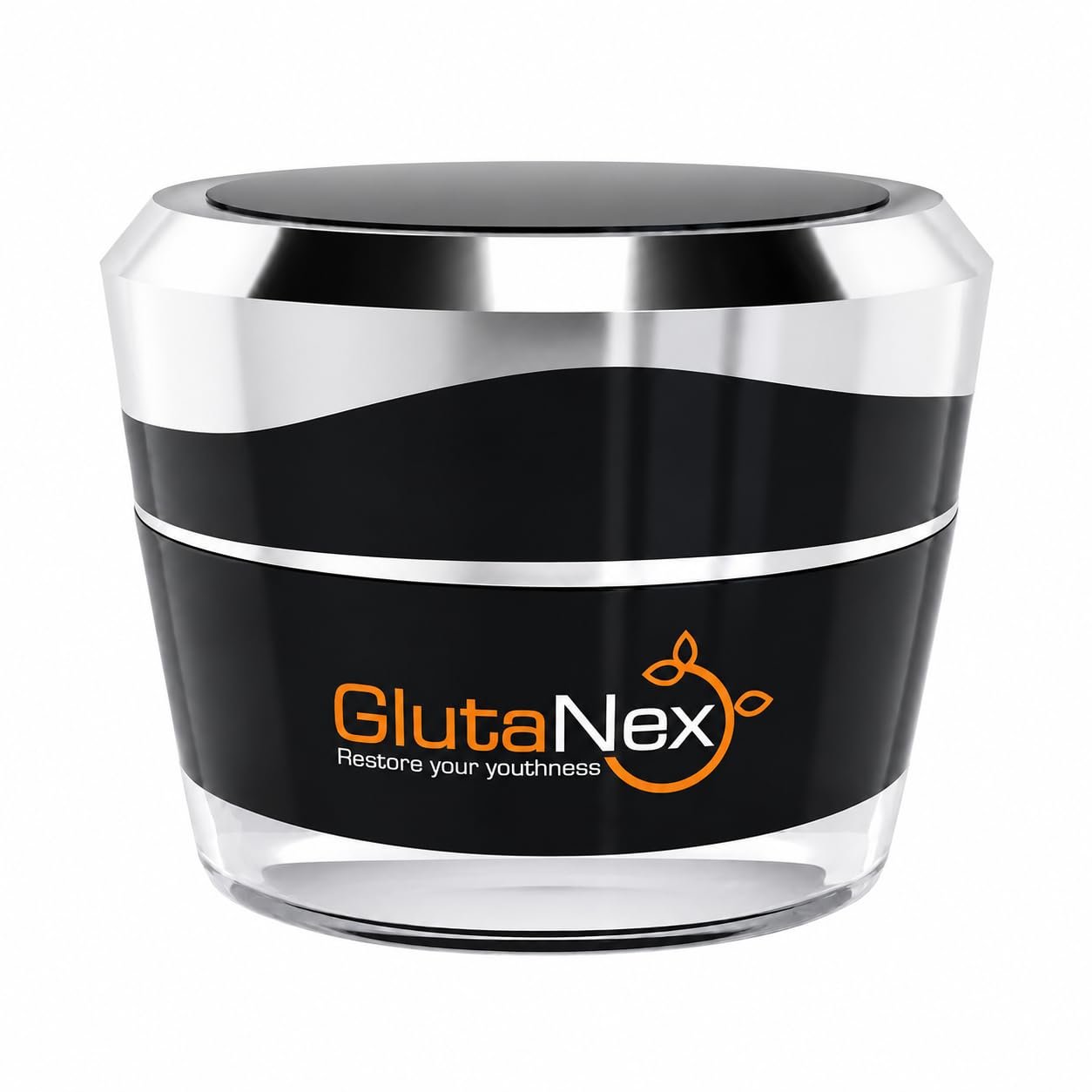
Glutanex Glutathione Night Cream
It combines glutathione with kojic acid, arbutin and vitamin C, plus nourishing oils, in one night-time step. Patch test first, and check with your dermatologist if you’re on a prescribed routine.
Follow @glutanexofficial on Instagram
Disclosure: Glutanex is our own brand. Individual results vary.
This article is for general information only and is not medical advice. Consult a doctor or dermatologist before starting any supplement or treatment.
This article is for general information, not medical advice. Talk to a doctor or dermatologist before starting any supplement or treatment. Disclaimer · Disclosure