On this page 6 sections
Quick answer
There aren’t any reliable signs you can check for at home. Tiredness, dull skin and frequent colds can all come from many different causes. Levels do tend to run lower with age, smoking, heavy drinking, poor sleep, a poor diet and some long-term illnesses. If your symptoms keep going, see a doctor instead of guessing.
You’ll find plenty of websites listing “10 signs you’re low in glutathione”, usually with a supplement to sell at the end. We’d rather be straight with you. No list of symptoms can tell you what your glutathione level is.
Why symptoms can’t tell you
Low glutathione is linked to oxidative stress, which is involved in ageing and in many long-term conditions. The trouble is that the symptoms people usually list are non-specific, which means they could point to almost anything.
- Feeling tired or low on energy
- Skin that looks dull or tired
- Catching colds a lot
- Sleeping badly or feeling stressed
Any of these could come from anaemia, thyroid trouble, low vitamin D or B12, stress, or simply not sleeping enough. If you put it down to “low glutathione”, you might miss what’s really going on.
What tends to lower glutathione
| Factor | Why it matters |
|---|---|
| Ageing | Levels usually drop slowly as you get older |
| Smoking | Creates a lot of oxidative stress |
| Heavy alcohol use | Puts strain on the liver, where much of your glutathione is made |
| Poor diet | Not enough protein, vegetables or vitamin C |
| Poor sleep and long-term stress | Linked to higher oxidative stress |
| Some illnesses and medicines | Certain chronic conditions and drugs use up glutathione, high-dose paracetamol being one example |
Can you test your glutathione level?
Blood tests for glutathione do exist. They’re mostly used in research and in specialised labs, though, and aren’t part of a routine check-up. The result can also change depending on how the sample was handled. Most people don’t need one.
There is a very rare inherited condition called glutathione synthetase deficiency. It’s diagnosed and managed by specialist doctors, usually in childhood.
How to support your natural glutathione
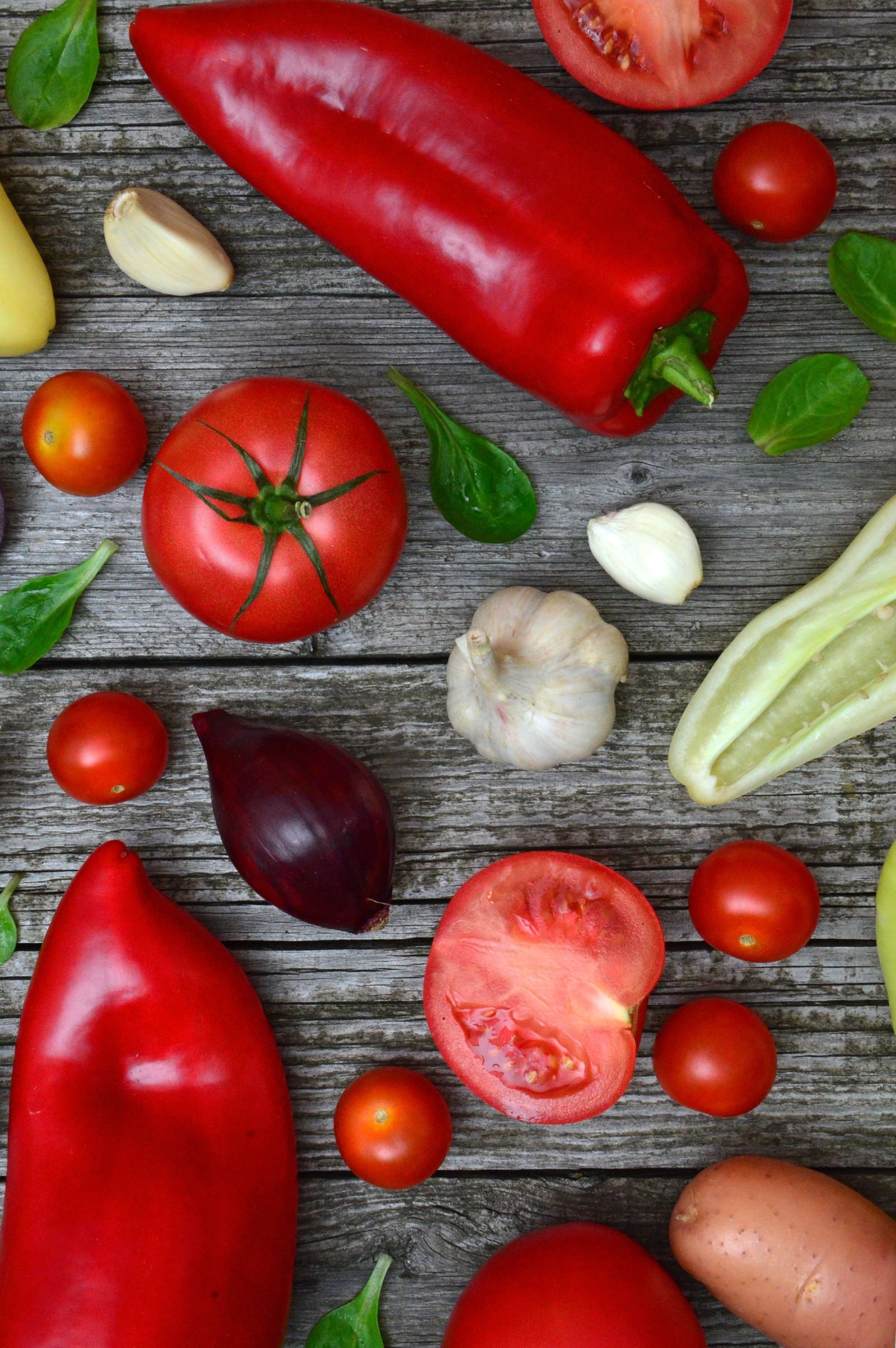
- Eat foods that help, like garlic, onions, broccoli, cabbage, spinach, eggs, dal, amla and nuts. Our list of foods that boost glutathione has more.
- Aim for 7 to 8 hours of sleep on most nights.
- Don’t smoke, and keep alcohol low.
- Keep moving. Regular, moderate exercise supports your body’s antioxidant systems.
- Only think about a supplement if a doctor advises it. You can read about glutathione dosage here.
When should you see a doctor?
Please see a doctor if you feel tired all the time, keep falling ill, are losing weight without trying, or have just felt unwell for weeks. A few simple blood tests can pick up common causes that are easy to treat.
Common questions
Does dull skin mean low glutathione?
Not necessarily. Sun, dehydration, poor sleep and a build-up of dead skin are much more common reasons. We go into this in glutathione for skin.
Should I take glutathione “just in case”?
Start by looking after your body with good food, enough sleep and no smoking. If you’re still thinking about a supplement, talk it over with your doctor first.
From the makers of this guide
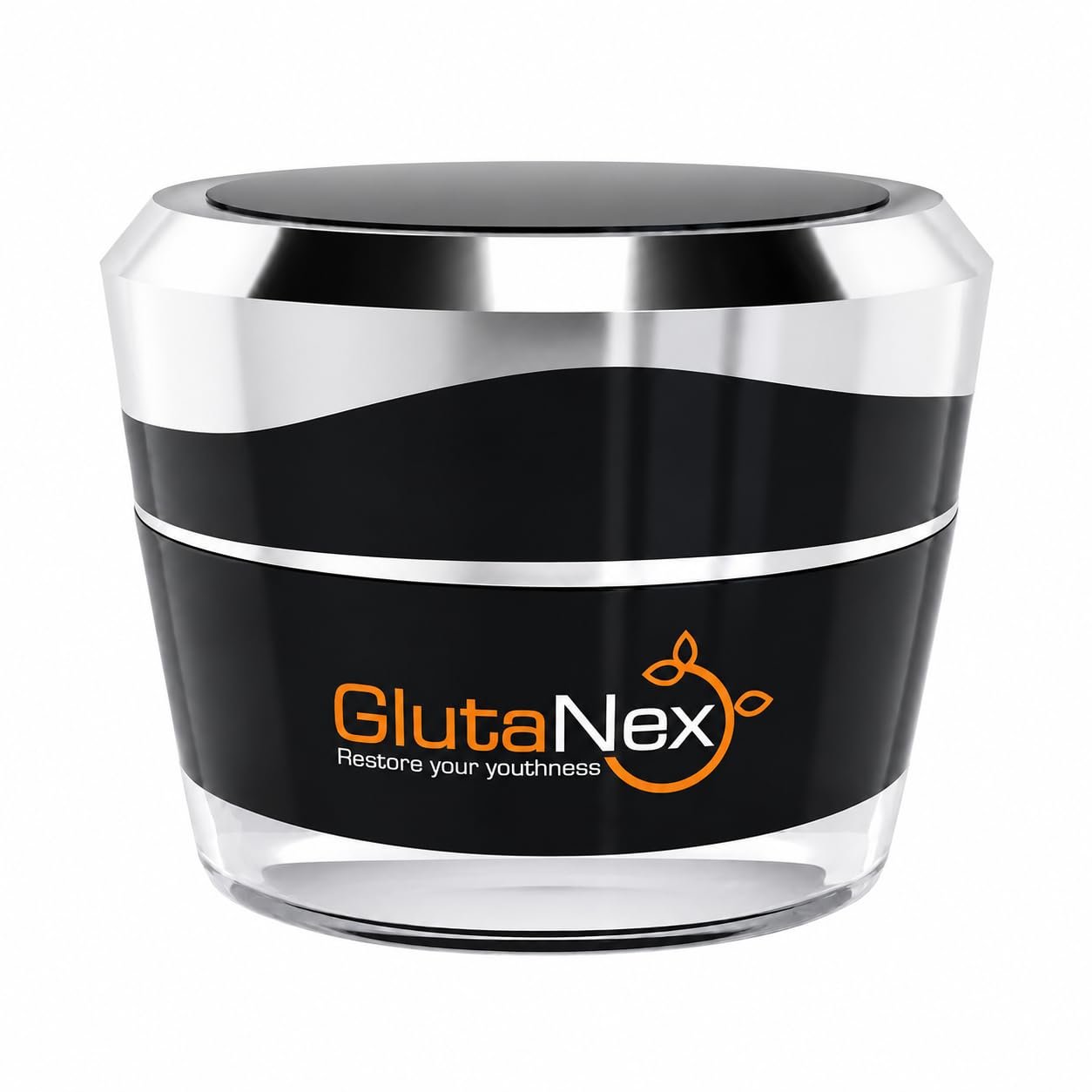
Glutanex Glutathione Night Cream
For dull-looking skin, a simple topical option: glutathione with vitamin C, kojic acid and arbutin. 30 g.
Follow @glutanexofficial on Instagram
Disclosure: Glutanex is our own brand. Individual results vary.
This article is general information, not medical advice. If your symptoms don’t go away, please see a doctor.
This article is for general information, not medical advice. Talk to a doctor or dermatologist before starting any supplement or treatment. Disclaimer · Disclosure