On this page 9 sections
Quick answer
Glutathione is a small antioxidant your body already makes, mostly in the liver, from three amino acids called glutamate, cysteine and glycine. It mops up free radicals, helps the liver with its everyday detox work, and keeps vitamins C and E working. In skincare, people use it for a brighter, more even-looking complexion.
Open Instagram or walk into any skincare shop and you’ll see glutathione on creams, soaps and tablets, and on clinic menus too. So what is it, really? And is it worth the noise?
We’ll keep this short and plain.
Glutathione in one sentence
It’s a small molecule your body makes by itself, and it’s one of the main antioxidants that protect your cells from damage.
What is it made of?
Three amino acids, the same building blocks that make up protein:
- Glutamine / glutamate
- Cysteine
- Glycine
Your cells join these three together. Most of this happens in the liver, which also holds some of the highest levels of glutathione anywhere in the body.
What does glutathione do in the body?
A simple way to picture it is as a cleaning crew that also guards the building. Here is what it spends its time on.
1. Fighting free radicals
Sunlight, pollution, smoking and stress all create unstable molecules called free radicals. So does plain, normal metabolism, every single day. When too many pile up you get “oxidative stress”, which is linked to ageing and to many health problems. Glutathione helps calm them down before they do harm.
2. Helping the liver clear things out
Your liver uses glutathione to process and get rid of a lot of unwanted substances, including some medicines and toxins.
3. Recharging other antioxidants
Vitamin C and vitamin E get “used up” as they work. Glutathione helps put them back into working order. This is why you so often see glutathione and vitamin C sold together.
4. Keeping the immune system working
Your immune cells need glutathione to do their job properly.
Why do glutathione levels drop?
Your own levels can fall for quite ordinary reasons:
- Getting older
- Not eating well
- Smoking and drinking
- Stress that goes on for months, and too little sleep
- Some illnesses
That drop is part of why so many people start looking at glutathione supplements and skincare in the first place.
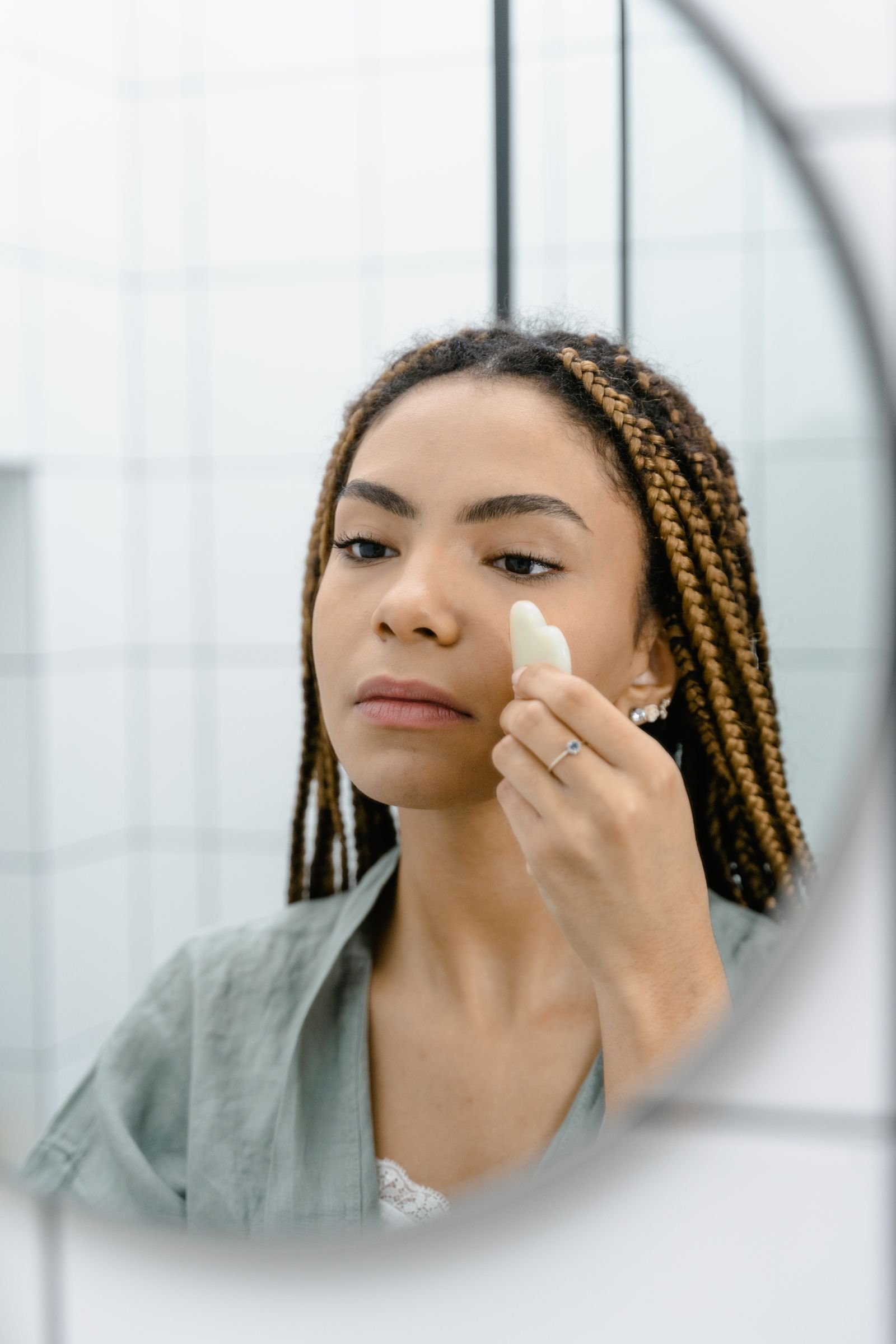
Glutathione and skin: why is everyone talking about it?
It got famous in skincare because it may affect how your skin makes melanin, the pigment that gives skin its colour. Being an antioxidant, it may also help shield skin from everyday environmental stress.
So you’ll find it in products aimed at:
- A brighter, fresher look
- Skin tone that looks more even
- Dark spots and dullness
Now, what does the research say? A few small studies found modest brightening, with tablets and with creams applied to the skin. But most of these studies were small and short, and people responded differently. Glutathione is not a miracle. If a product promises “guaranteed” or “overnight” results, treat that as a warning sign.
How is glutathione used?
| Form | What it is | Things to know |
|---|---|---|
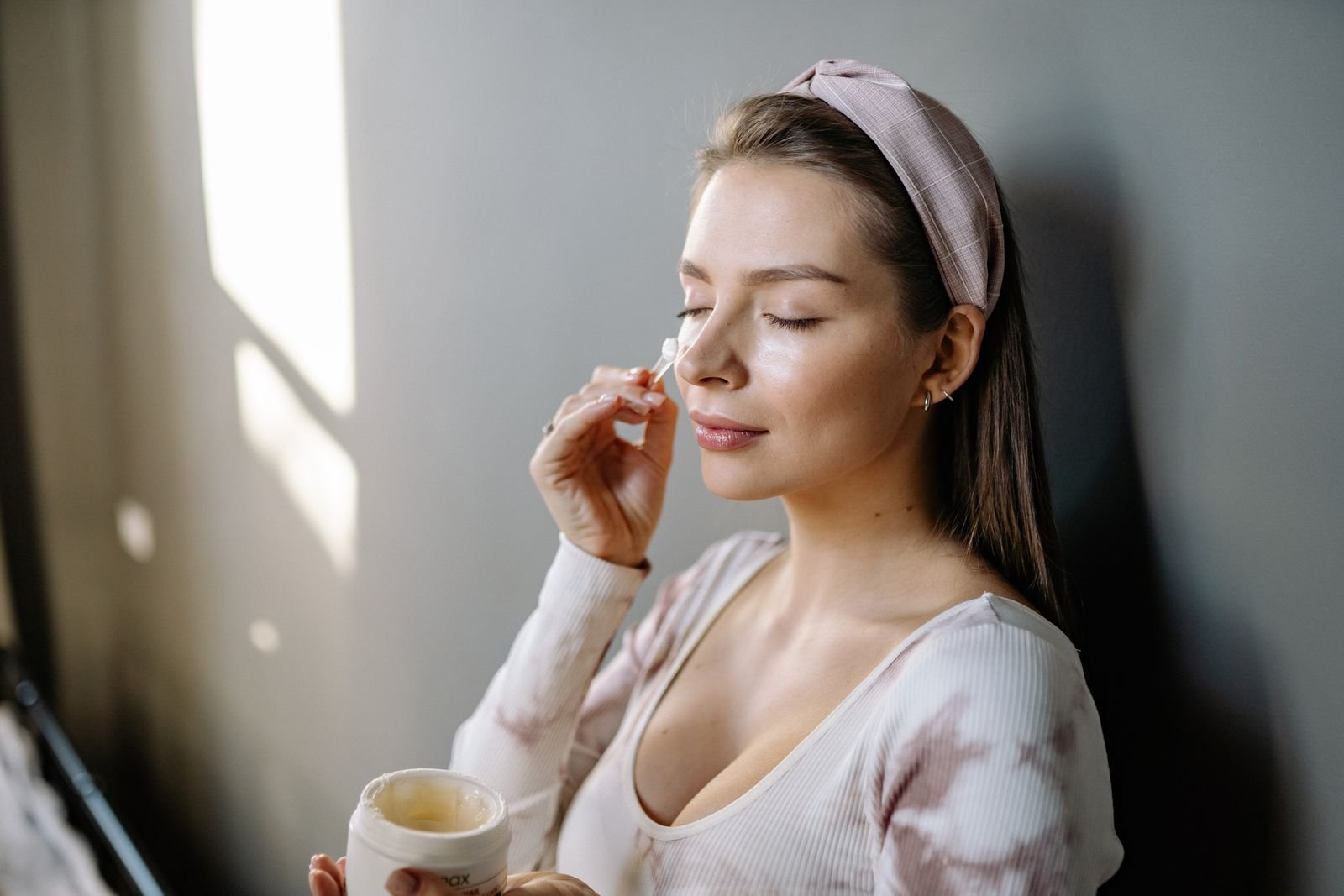
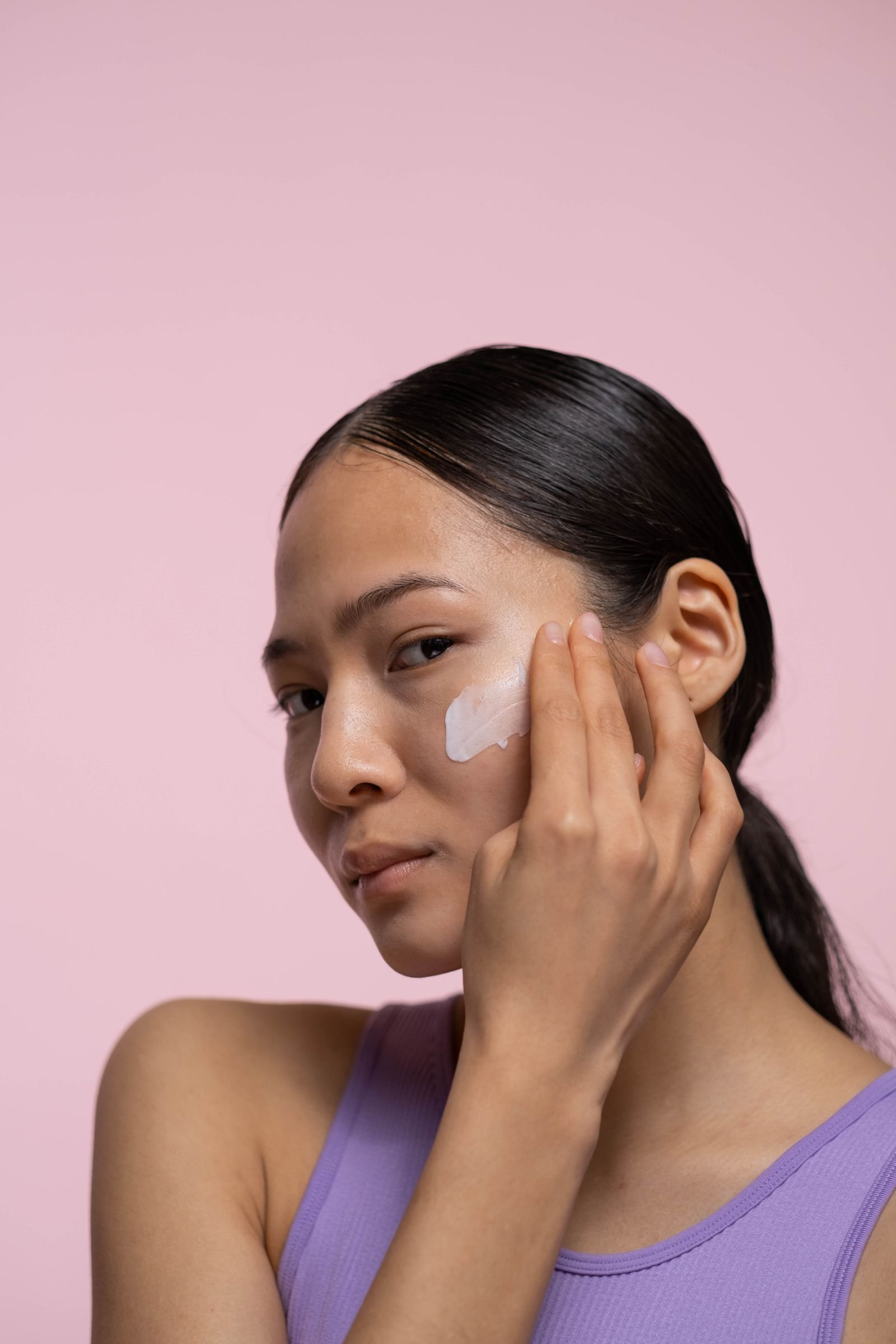
| Creams & lotions | Applied to the skin | Gentle and low-risk; works on the outer layers of skin |
| Soaps & body washes | Short contact with skin | Washed off quickly, so the effect is limited |
| Tablets & capsules | Taken by mouth | How well it’s absorbed is still debated; newer forms such as liposomal try to improve this |
| Injections / IV drips | Given in clinics | Health regulators in several countries have warned against them for skin lightening because of safety risks |
Each of these has its own guide on the site if you want the detail: serums and creams, soaps, tablets and injections.
Can you get glutathione from food?
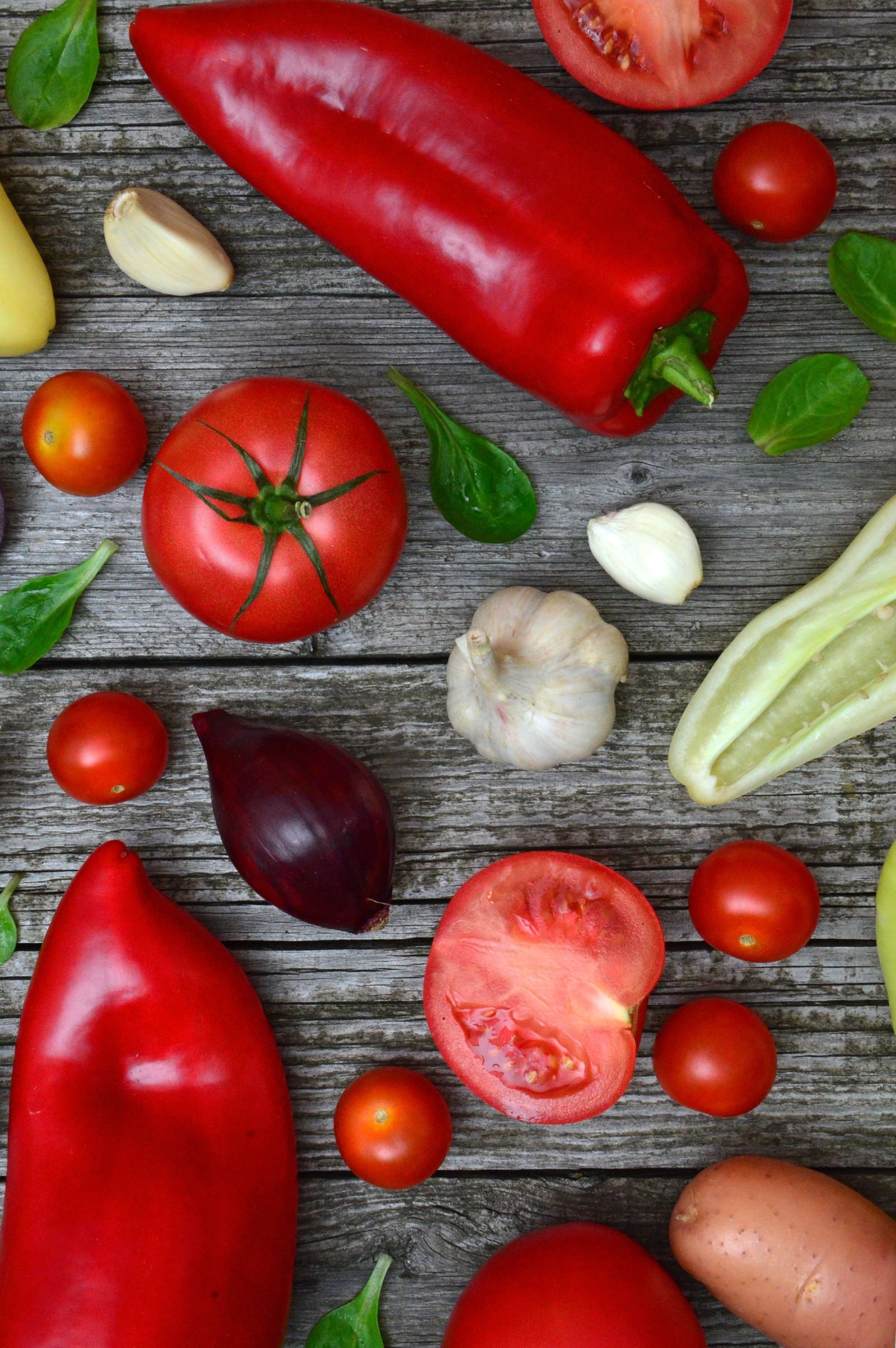
Food won’t hand you glutathione directly in any big way, but it can help your body make its own. Good things to have on your plate:
- Sulphur-rich vegetables like garlic, onions, broccoli, cabbage and cauliflower
- Avocado, spinach and asparagus
- Protein that gives you cysteine, such as eggs, dal and other legumes, and dairy
- Fruits high in vitamin C, like amla, oranges, guava and lemon
- Nuts and seeds, for selenium
Eat reasonably well, sleep enough and stay away from cigarettes, and your body will do a decent job of keeping its own levels up. We’ve put the full list together here: 12 foods that boost glutathione.
Is glutathione safe?
- Creams and other on-skin products are usually well tolerated. Do a patch test first anyway, and stop if you notice redness, itching or a rash.
- Tablets were mostly well tolerated in studies. Still, check with a doctor before you start, and especially if you’re pregnant or breastfeeding, have asthma, or take medicines regularly.
- Injections carry much more serious risks. Please don’t use them to lighten your skin.
There’s more on this in our guide to glutathione side effects and who should avoid it.
So, is it worth knowing about?
Yes. Glutathione is a real antioxidant that your body already depends on. In skincare it can help you get a brighter, more even-looking complexion, and it works best when you also wear sunscreen, sleep well and eat sensibly. Just keep your expectations grounded. Think steady care over weeks, not magic in a few days.
Want to read more? Try 12 myths vs facts, 30 questions answered, ಕನ್ನಡದಲ್ಲಿ ಓದಿ or हिंदी में पढ़ें.
From the makers of this guide
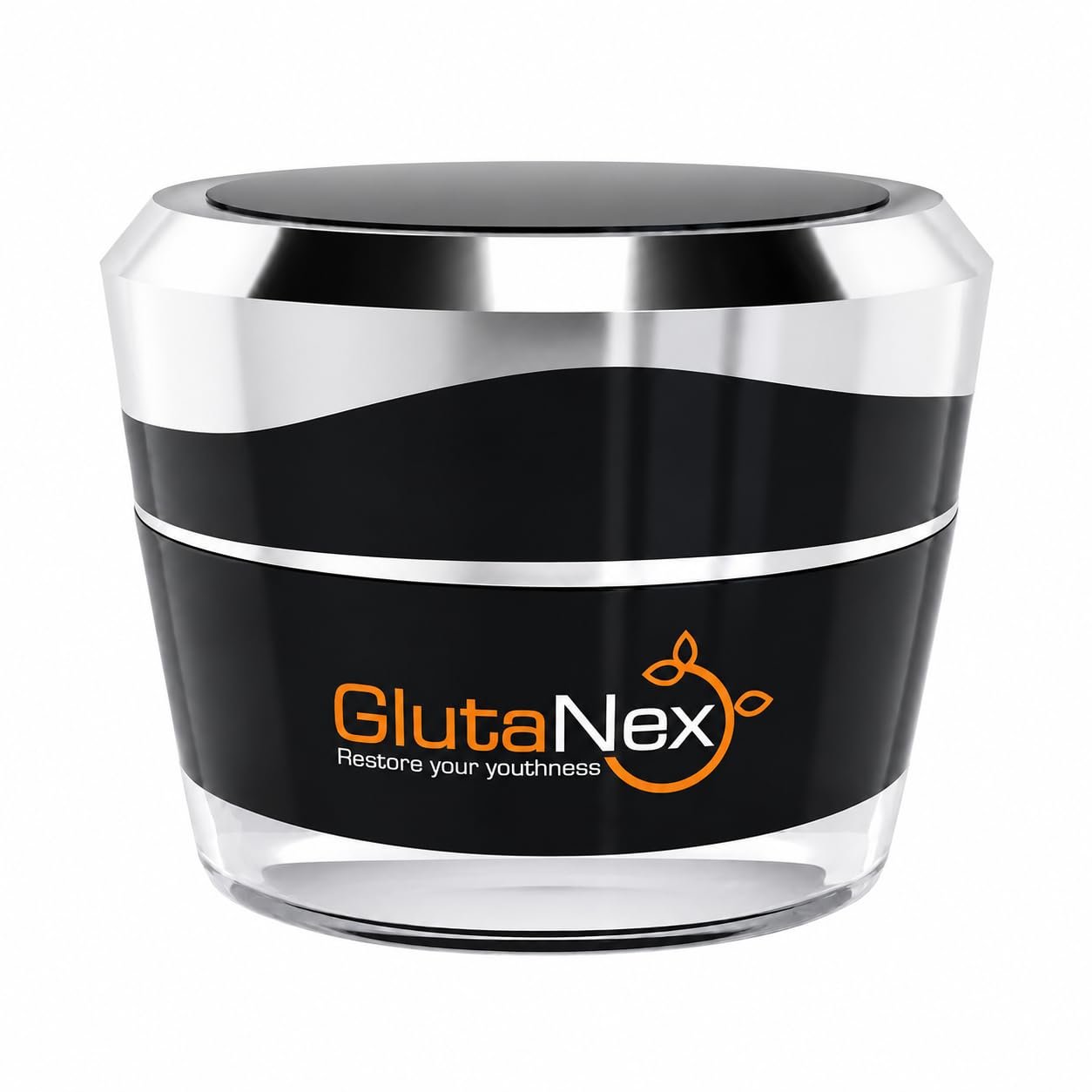
Glutanex Glutathione Night Cream
It combines glutathione with vitamin C for antioxidant night-time care and a brighter-looking complexion.
Follow @glutanexofficial on Instagram
Disclosure: Glutanex is our own brand. Individual results vary.
This article is general information, not medical advice. Please talk to a dermatologist or doctor before starting any new skincare or supplement, especially if you have a medical condition or are pregnant or breastfeeding.
This article is for general information, not medical advice. Talk to a doctor or dermatologist before starting any supplement or treatment. Disclaimer · Disclosure