Learn the basics
What glutathione is, what it does in your body, and what the research actually supports. If you’re new to all this, start here.
5 guides
What is glutathione, and what can it really do?
Glutathione is a small antioxidant your body makes by itself, mostly in the liver, from three amino acids: glutamate, cysteine and glycine. It calms the free radicals that sun, pollution, smoking and plain everyday metabolism create. It also helps your liver process medicines and toxins, keeps vitamins C and E working, and your immune cells rely on it. Start with what glutathione is if the word is new to you.
Not every claim you see online stands up equally. Antioxidant protection and its natural role in the liver are well established. For skin, small studies of tablets and creams found a modest lift in brightness and evenness over several weeks. Anti-ageing and immune claims are still early. Our benefits guide rates the evidence claim by claim, so you know which ones to take seriously.
Then there's the hype. Glutathione isn't bleach, it won't make you "fair" permanently, and nothing works in 7 days. Any brightening is slow and temporary, because your skin never stops making melanin. Injections are the riskiest way to use it, and India's CDSCO has said injectable products are not cosmetics. Sunscreen still matters more than any brightening product. We checked 12 common beliefs in myths vs facts.
You may also have seen lists of "signs of low glutathione". Tiredness, dull skin and frequent colds can come from anaemia, thyroid trouble, low vitamin D or B12, stress or poor sleep, so a symptom list can't tell you your level. Levels do tend to drop with age, smoking, heavy drinking, poor sleep and a poor diet. If you feel unwell for weeks, see a doctor instead of guessing (why symptoms can't tell you).
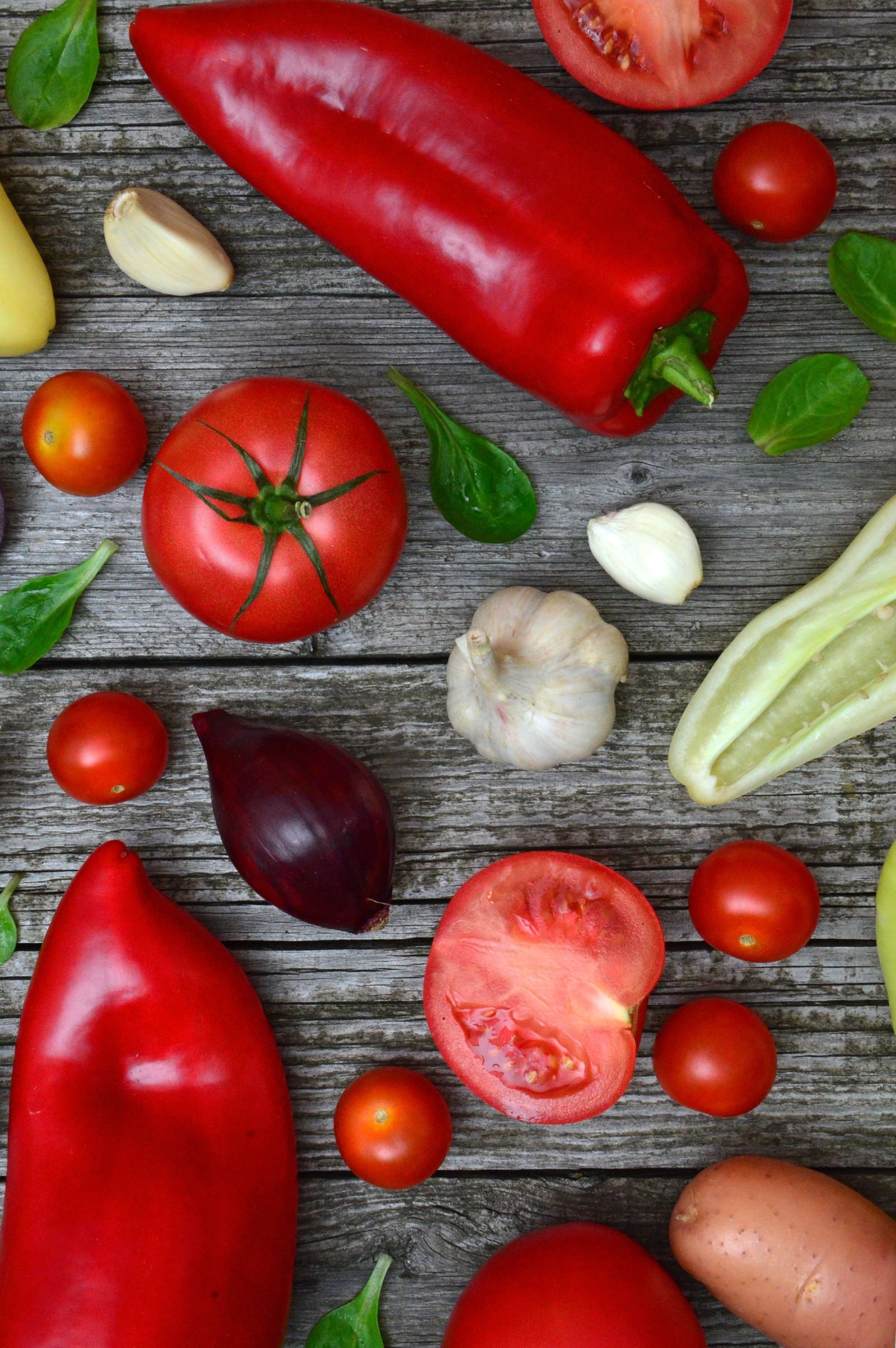
The good news is that your plate helps. Sulphur-rich garlic, onions, broccoli and cabbage, protein from eggs and dal, and vitamin C from amla and guava all support your body's own production, and so do 7 to 8 hours of sleep and staying off cigarettes. See foods that boost glutathione.
Start with these
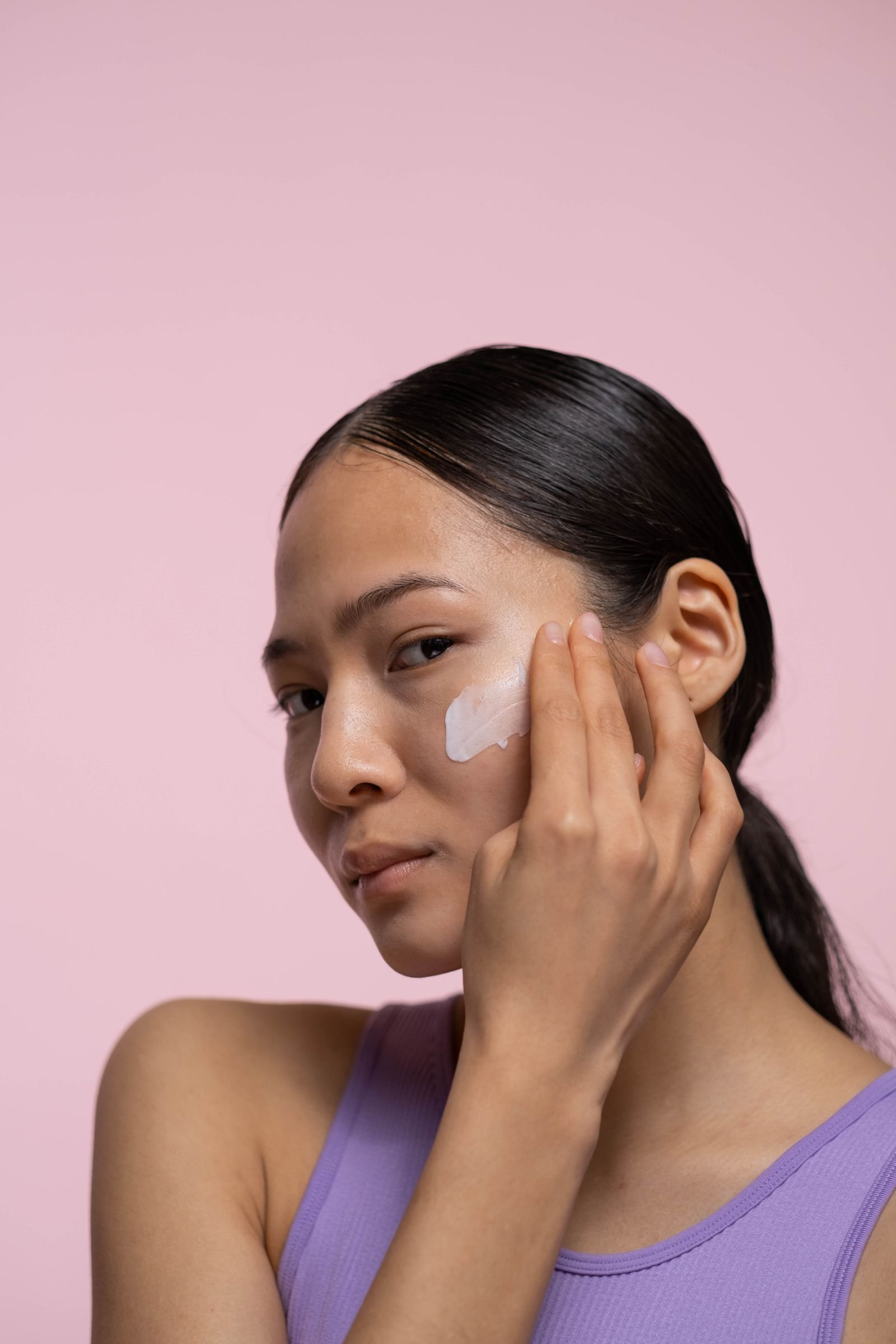 Start with theseWhat Is Glutathione? Uses, Benefits, Side Effects & SafetyGlutathione is your body’s master antioxidant. Learn its uses, benefits for skin and health, side effects, saf…Read →
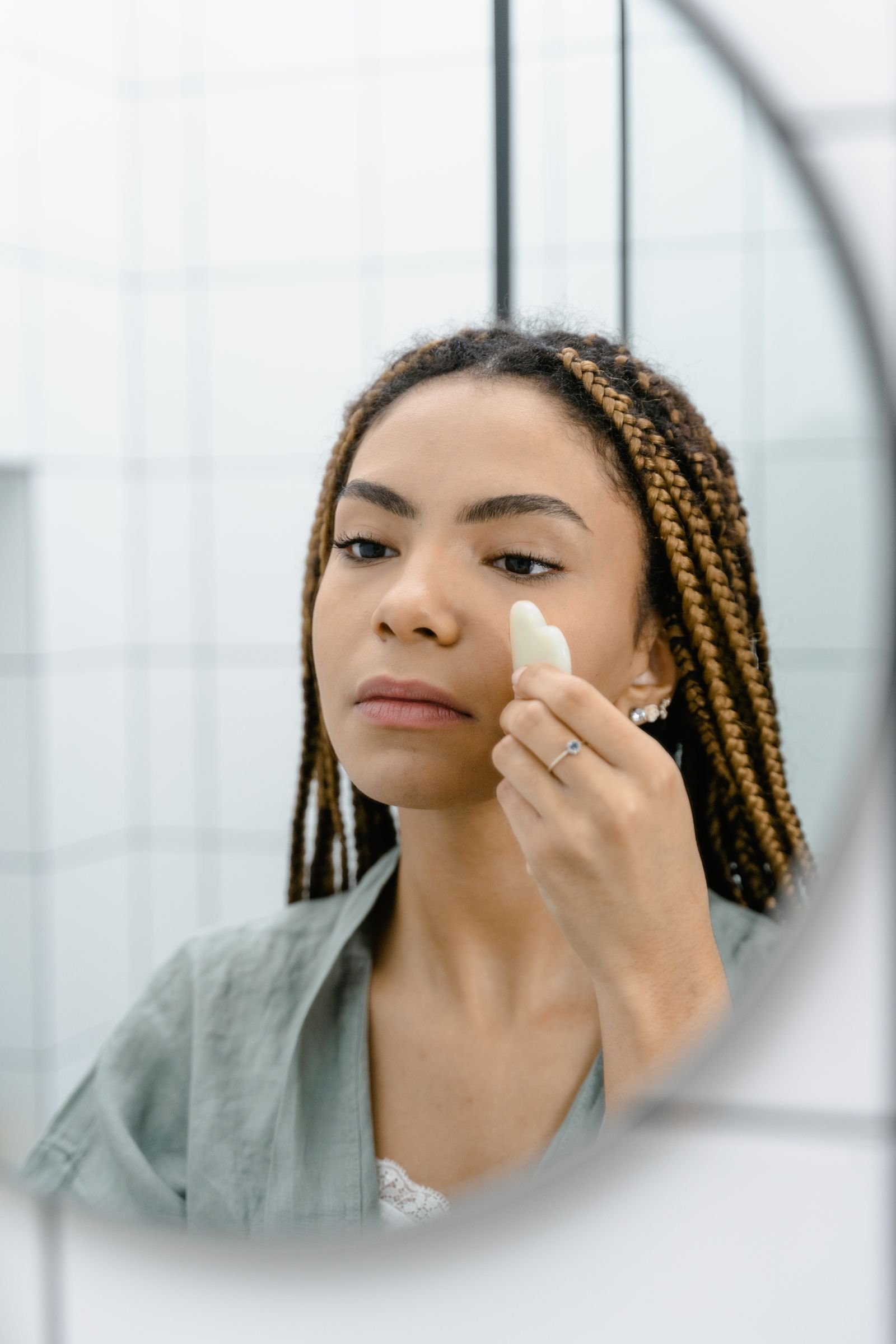 Start with theseGlutathione Benefits: What the Research Actually ShowsFrom antioxidant protection to skin radiance and liver support, here’s an honest look at glutathione’s benefit…Read →
Myths and real signs
 Myths and real signs12 Glutathione Myths vs Facts: What’s True and What’s HypeDoes glutathione whiten skin permanently? Are injections faster and safer? We check 12 common glutathione myth…Read →
 Myths and real signsSigns of Low Glutathione: What’s Real and What’s MarketingAre there signs of low glutathione? The honest answer on symptoms, what lowers glutathione, whether you can te…Read →
Common questions
Is glutathione a skin bleach?
No. It's an antioxidant your own body makes. It may gently change how much melanin your skin produces, but it doesn't strip colour out. See myths vs facts.
Is glutathione safe?
Creams are usually well tolerated if you patch test first, and tablets were mostly well tolerated in studies, though you should check with a doctor first, especially if you're pregnant, breastfeeding, asthmatic or on medicines. Please don't use injections to lighten your skin. More in what is glutathione.
Does dull skin mean my glutathione is low?
Not necessarily. Sun, dehydration, poor sleep and dead skin build-up are far more common reasons. Read signs of low glutathione.
Is food enough, or do I need a supplement?
For most healthy people, a good diet, enough sleep and not smoking are enough to support natural levels. Talk to a doctor before any supplement. See foods that boost glutathione.