On this page 6 sections
Dark spots, acne marks, tan and uneven patches are all forms of hyperpigmentation, which just means areas where your skin has made extra melanin. Glutathione is one of the ingredients people reach for most. It can help a little, mostly with milder marks.
Which kind of pigmentation do you have?
- Post-acne marks (PIH) are the brown spots a pimple leaves behind after it heals. Very common in Indian skin.
- Sun spots come from years of sun.
- A tan is the overall darkening you get from sun exposure.
- Melasma is patchy pigmentation linked to hormones. We cover it in our melasma guide.
- Friction pigmentation shows up where skin rubs, like the underarms, inner thighs and neck. See glutathione for underarms.
Can glutathione help pigmentation?
It may. Glutathione is an antioxidant, and it seems to affect how skin makes pigment. The research is thin, though. A 2018 review in Dermatology Practical & Conceptual found only small, short studies, and the results in them were modest.
What that means for you:
- It’s most likely to help with mild dullness, tan and light acne marks.
- Any change is slow. Give it 8 to 12 weeks.
- It works better alongside other proven brightening ingredients and sunscreen.
What to pair it with
- Vitamin C brightens skin and supports glutathione.
- Niacinamide helps even out tone and look after the skin barrier.
- Kojic acid and arbutin go after dark spots more directly. We compare them in glutathione vs kojic acid.
- Azelaic acid is good for acne marks. It’s often given on a dermatologist’s advice.
- Sunscreen SPF 30+ is the one you can't skip. Without it, the spots keep coming back.
A routine for dark spots
At night, use a gentle cleanser and then a brightening cream that contains glutathione.
In the morning, cleanse, moisturise and finish with sunscreen SPF 30+. Reapply when you're outdoors.
A few habits matter too:
- Don’t pick pimples. Picking leaves deeper marks that last longer.
- Get active acne under control first. Otherwise new marks keep turning up.
- Skip harsh scrubs. In Indian skin, irritation tends to cause more pigmentation.
When to see a dermatologist
Always get a spot checked if it's growing, changing colour or has an irregular shape.
Book a visit too if your pigmentation hasn't improved after 3 months, or if you have melasma or deep patches.
What we'd do
Glutathione can be one gentle part of a pigmentation routine, ideally next to kojic acid, arbutin and vitamin C, and always with sunscreen. Expect slow, modest improvement. If a spot is stubborn or changing, a dermatologist is the right next step.
More to read: glutathione for acne marks · glutathione for tan removal · glutathione vs niacinamide
From the makers of this guide
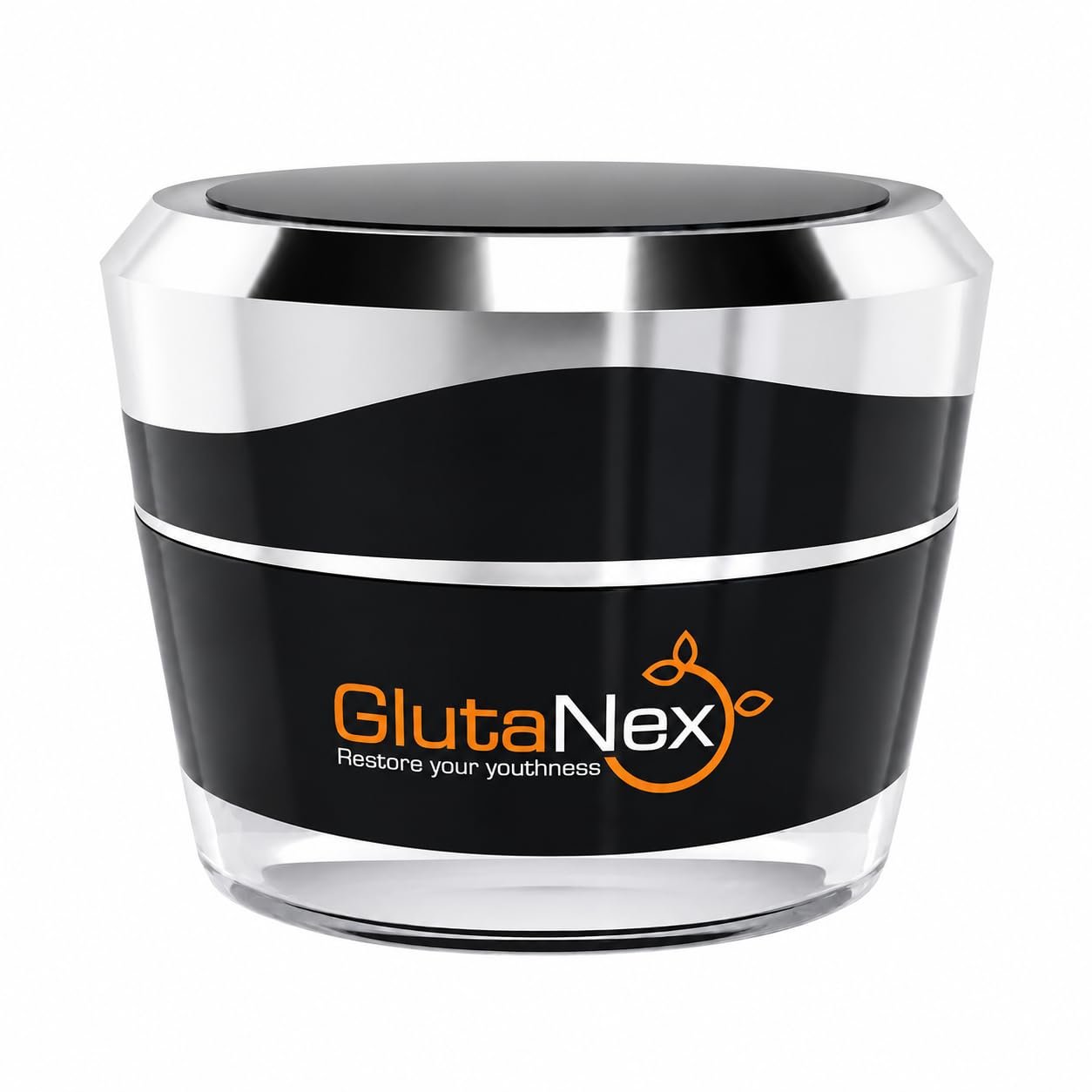
Glutanex Glutathione Night Cream
It combines glutathione with kojic acid, arbutin and vitamin C, plus nourishing oils, in one night-time step. Patch test first.
Follow @glutanexofficial on Instagram
Disclosure: Glutanex is our own brand. Individual results vary.
This article is for general information only and is not medical advice. Consult a doctor or dermatologist before starting any supplement or treatment.
This article is for general information, not medical advice. Talk to a doctor or dermatologist before starting any supplement or treatment. Disclaimer · Disclosure