Find Your Skin Routine: Free 1-Minute Quiz
Tell us a bit about your skin in 4 quick questions, and we’ll suggest a simple, safe routine. It takes under a minute, and you don’t need to sign up.
QUESTION 1 OF 4
What’s your main skin concern?
QUESTION 2 OF 4
How does your skin usually feel?
QUESTION 3 OF 4
How old are you?
QUESTION 4 OF 4
Are you pregnant or breastfeeding?
YOUR RESULT
Keep it simple for now
We don’t recommend skin-brightening products, glutathione included, for anyone under 18. Your skin is still changing, and the basics will do far more for it.
- A gentle face wash in the morning and at night
- A light moisturiser
- Sunscreen, SPF 30+, every single morning
- If pimples bother you, see a dermatologist instead of trying lots of products
Check with your doctor first
Nobody has done enough safety research on glutathione in pregnancy or while breastfeeding. So please ask your doctor before you use any glutathione product. Until then, these basics are safe.
- A gentle face wash and a moisturiser without fragrance
- A mineral sunscreen (zinc oxide or titanium dioxide) every morning
- Brown patches in pregnancy (melasma) are common, and they often fade after the baby is born
Read more: who should avoid glutathione.
Your simple glutathione routine
☀️ Morning
- A gentle face wash
- A light moisturiser, if your skin feels like it needs one
- Sunscreen, SPF 30+ (put more on every 2 to 3 hours if you’re outdoors)
🌙 Night
- Wash off the day’s sunscreen, sweat and pollution
- A pea-sized amount of glutathione night cream, but only after a patch test of 24 to 48 hours (how to apply it)
- A gentle exfoliation once a week, unless you have sensitive skin
For dry skin: pick a creamy face wash that doesn’t foam, and a rich night cream. Creams made with oils and butters will suit you.
For normal skin: you can use most formulas. Keep the routine simple, and stick with it every day.
For oily or acne-prone skin: go for a gel face wash and a gel sunscreen, with just a thin layer of night cream. Begin with 3 nights a week. A niacinamide serum can also help (see glutathione vs niacinamide).
For sensitive skin: give your patch test the full 48 hours. Then start with 2 or 3 nights a week, and leave out scrubs and strongly perfumed products.
For tan: sunscreen every day matters more than anything else here. Once your skin is protected, most tans fade in 2 to 8 weeks. Read next: glutathione for tan removal.
For acne marks: try not to pick or squeeze, and put the cream only on skin that has healed. Brown marks can take a few months to fade. Read next: glutathione for acne marks.
For dull skin: good sleep, enough water and plenty of colourful food on your plate help as much as any cream. Read next: what glutathione does for your skin and foods that boost glutathione.
For brown patches: these could be melasma, and melasma is best treated with a plan from a dermatologist. Glutathione may help a little alongside that, but it shouldn’t be your main treatment. Read next: glutathione for melasma.
For underarms, elbows or dark circles: rubbing, shaving and how well you sleep can all make these darker. Read next: glutathione for underarms and glutathione for dark circles.
Be patient: wait 8 to 12 weeks before you judge, and compare photos taken in the same light. See how long glutathione takes to work.
From the makers of this guide
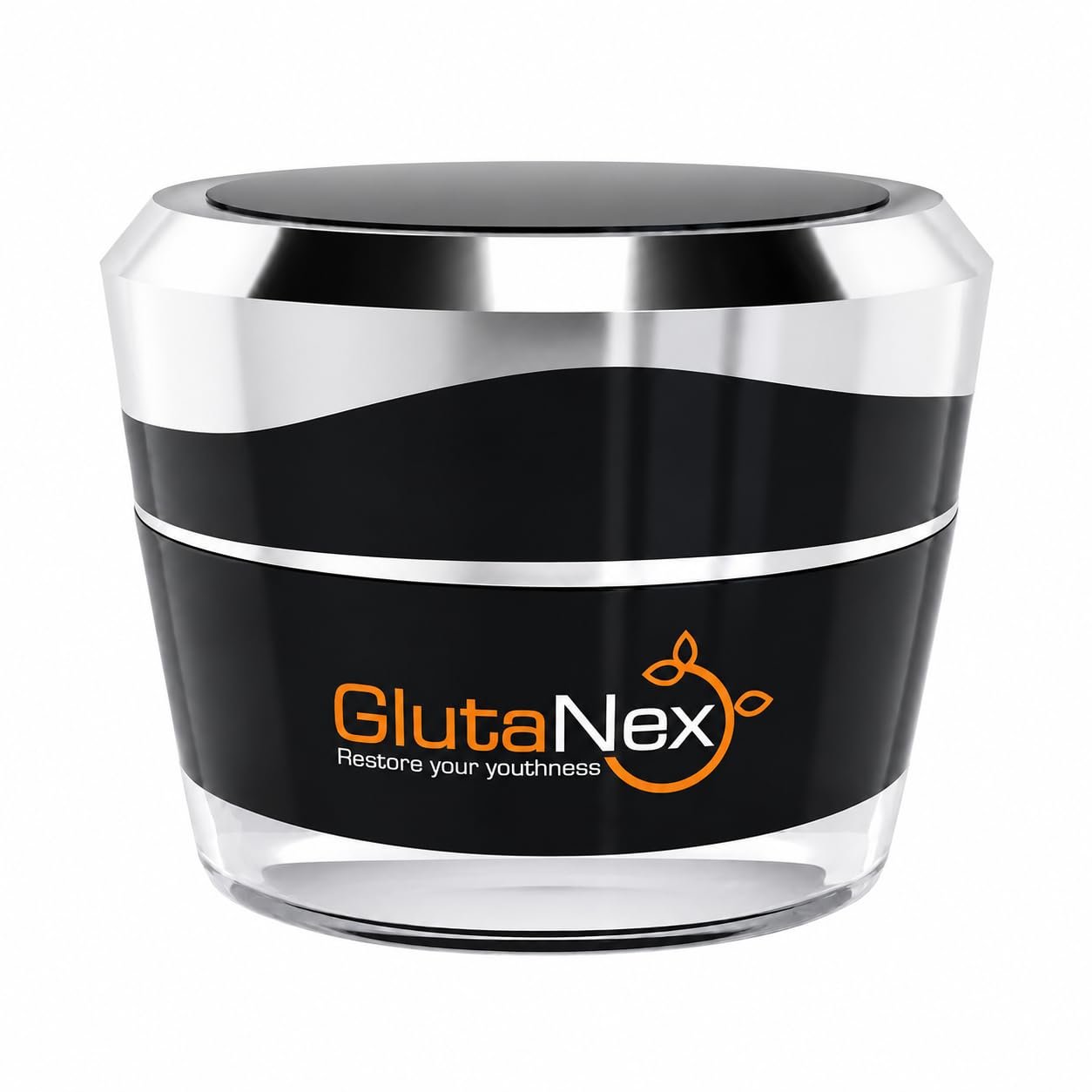
Glutanex Glutathione Night Cream
Glutathione with vitamin C, kojic acid and arbutin, nourished with avocado, jojoba, turmeric, sandalwood and saffron. 30 g.
Disclosure: Glutanex is our own brand. Individual results vary.
This quiz only gives general skincare suggestions. It is not medical advice. If you have acne, melasma or any other skin condition, please see a dermatologist.